
What to Do When a Freeze Is Forecast the Night After a Wash
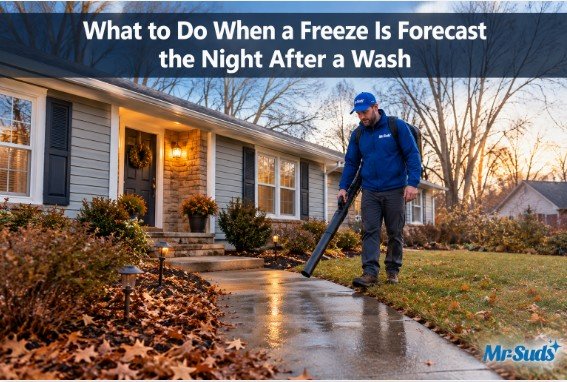
What to Do When a Freeze Is Forecast the Night After a Wash Mid-November on a Newington street. A ranch with an older concrete walk, a bright 50F afternoon, and a homeowner who wanted the driveway and front walk done before the holidays. We finished early and blew the walk and the step nosings dry […]
What to Do When Rain Starts Mid-Job in Central Connecticut
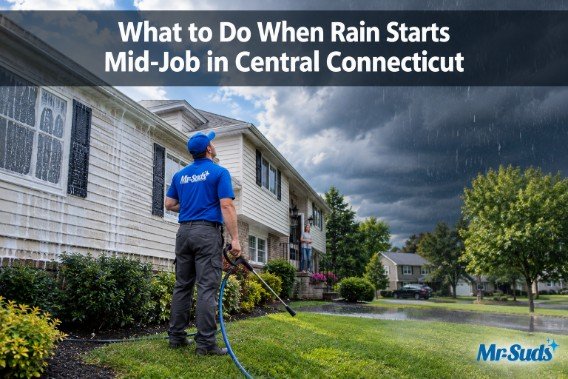
A July soft wash on a Newington side street. Split-level, vinyl siding, solution on the back elevation and dwelling. Nothing in the sky ten minutes earlier. Then one of those summer cells comes across, and the homeowner is out on the step asking whether that is a problem. The honest answer is that it depends […]
What to Do When Well Water Runs Low During a Wash
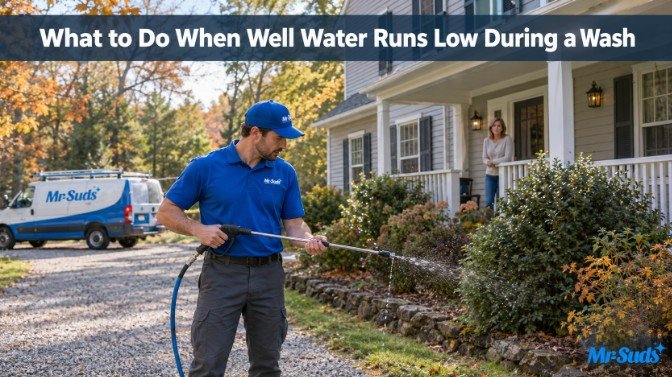
What to Do When Well Water Runs Low During a Wash Early autumn, a long gravel drive in one of the outlying towns, a mid-century colonial on a private well. At the door the homeowner mentioned, almost in passing, that the water “gets funny in August.” Halfway through the second elevation the pattern at the […]
What to Do When a Tenant Refuses Access for Scheduled Washing
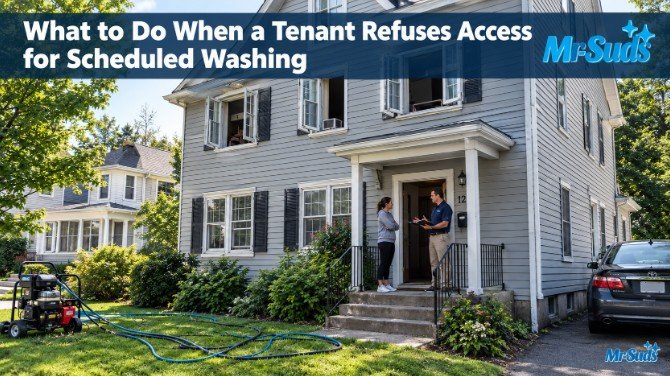
What to Do When a Tenant Refuses Access for Scheduled Washing A weekday morning at a three-family on a side street. North wall green, crew set up, hoses run. Two units were ready. The third was not. Second floor windows wide open, a car parked tight against the siding, and a tenant at the door […]
What to Do When a Shared Fence Needs Cleaning

A back line in Newington, late spring. Six foot vinyl between two yards, and the customer had already scrubbed a few patches by hand on her side. The far side, under a big maple, was solid green top to bottom. She wanted a quote for her side only. The first thing worth telling her was […]
What to Do When Your HOA Objects to Your Chosen Contractor

Early spring, a central Connecticut condominium development, attached units with a small assigned deck off the back slider. The deck had gone green and slick over the winter and there was a family gathering coming. The owner booked the job. Then, two days later, forwarded an email from the management company: the contractor is not […]
What to Do When Wash Water Runs Into a Storm Drain
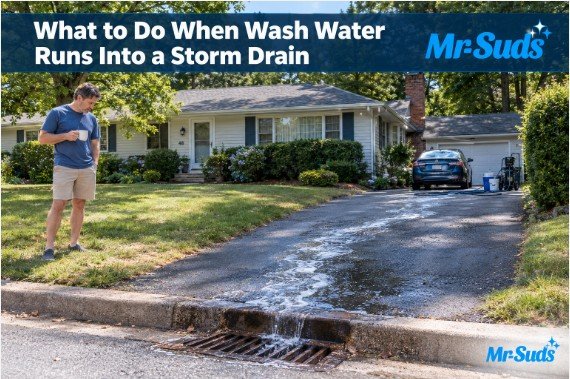
What to Do When Wash Water Runs Into a Storm Drain Late summer morning on a quiet Newington side street. A 1960s ranch with an asphalt driveway that slopes all the way down to a catch basin at the curb. The homeowner was standing at the end of it with a coffee, watching gray water […]
What to Do When Overspray Reaches a Neighbor’s Property in Newington
One of the older Newington streets where the driveways nearly touch. A sedan parked on the neighbour’s side, maybe a dozen feet from the wall we were working on. The air was dead still when the trailer came off the road. Partway up the second story, a breeze came through the gap between the houses. […]
What to Do When You Suspect a Contractor Is Unregistered in Connecticut

What to Do When You Suspect a Contractor Is Unregistered in Connecticut First warm Saturday of the spring in Newington. A flyer under the wiper, a decent price quoted over the phone for the front elevation of a split-level, and one question asked before booking: do you have a Connecticut registration number? The answer took […]
What to Do When a Job Is Half Finished and Weather Turns
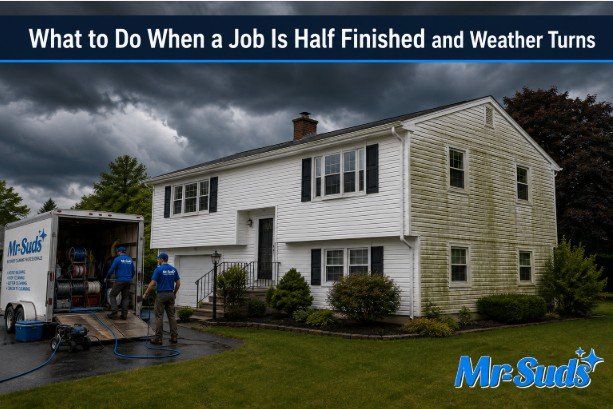
A July afternoon on a split-level with a long concrete apron. The front and one side elevation washed and rinsed, the back still untouched, and the crew standing by the trailer looking at a phone screen instead of at the house. The homeowner comes out and asks the question everybody asks: are you coming back? […]