
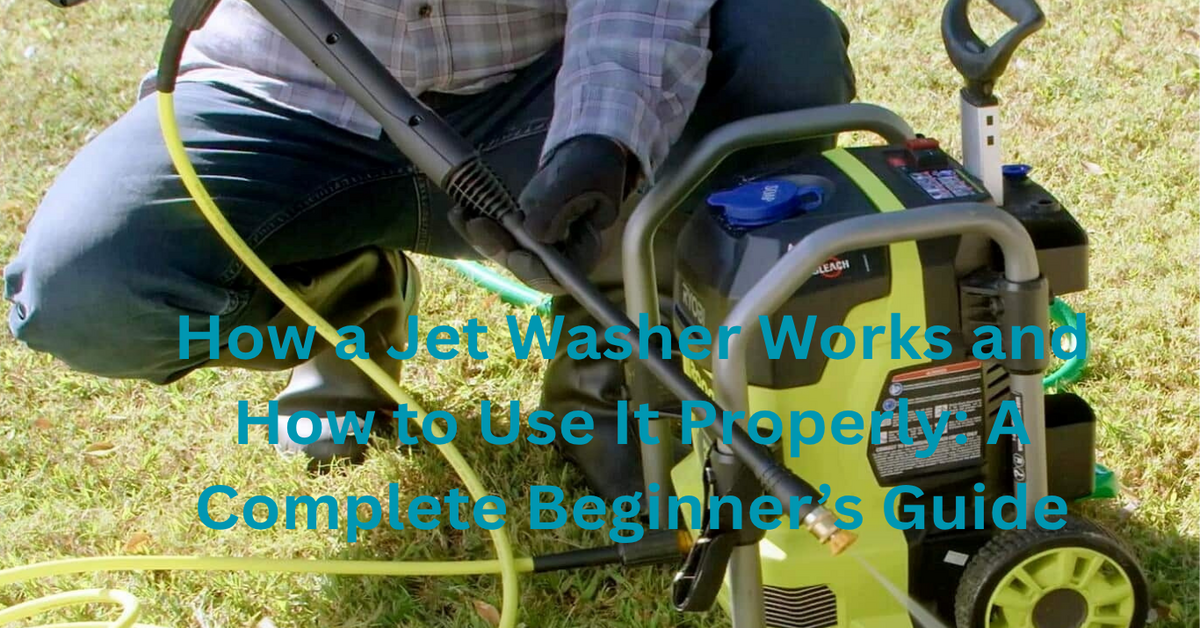
How to Use Jet Washer: Ultimate Guide for Spotless Cleaning Results
Are you tired of scrubbing stubborn dirt and grime from your driveway, patio, or car? A jet washer can make this job faster and easier than you ever thought possible.
But if you’re not sure how to use one correctly, you might miss out on its full power or even cause damage. You’ll discover simple steps to master your jet washer safely and effectively. Keep reading, and you’ll be cleaning like a pro in no time.
Choosing The Right Jet Washer
Choosing the right jet washer is important for effective cleaning. Picking the best model saves time and energy. It also protects surfaces from damage. The right jet washer matches your cleaning tasks and budget. Understanding key features helps make a smart choice.
Power And Pressure Ratings
Jet washers come with different power and pressure levels. Power is usually measured in amps or horsepower. Pressure is measured in PSI (pounds per square inch). Higher PSI means stronger water spray for tough dirt.
- Light cleaning: 1300-1600 PSI for cars and patios.
- Medium cleaning: 1700-2000 PSI for fences and driveways.
- Heavy cleaning: 2100+ PSI for concrete and heavy grime.
Choose power based on the dirt and surfaces you will clean.
Types Of Jet Washers
There are electric and gas jet washers. Each has pros and cons.
| Type | Power Source | Best For | Pros | Cons |
| Electric | Electricity | Small to medium tasks | Lightweight, quiet, easy to use | Less powerful, needs outlet |
| Gas | Gasoline | Large, heavy-duty jobs | High power, portable | Loud, needs fuel, heavier |
Water Flow Rate (gpm)
The flow rate is how much water the jet washer uses. It is measured in GPM (gallons per minute). Higher GPM means faster cleaning of large surfaces. Match flow rate to your cleaning size.
- Low flow (1.2-1.5 GPM): Small jobs, delicate surfaces.
- Medium flow (1.6-2.0 GPM): Standard cleaning tasks.
- High flow (2.1+ GPM): Large, tough jobs.
Portability And Weight
Portability affects ease of use. Consider where you will use the washer. Light models are easier to move and store.
- Lightweight jet washers suit small tasks and indoor use.
- Heavier models handle bigger jobs but may need wheels.
- Look for handles and wheels for easier movement.
Additional Features
Extra features improve convenience and safety.
- Adjustable nozzles: Change spray patterns for different tasks.
- Detergent tanks: Add soap for better cleaning.
- Automatic shut-off: Saves energy when not spraying.
- Long hoses and cords: Reach distant areas easily.
Preparing The Area
Preparing the area is an important first step before using a jet washer. It helps make the cleaning faster and safer. A clean and clear space allows the water to reach all surfaces easily. It also protects your belongings from water damage. Follow simple steps to get your area ready for jet washing.
Clear The Surrounding Space
Remove all objects near the cleaning area. Move garden furniture, pots, and decorations to a safe place. This stops them from getting wet or damaged. Also, pick up toys, tools, and loose items from the ground. A clear space prevents accidents and lets you work freely.
Cover Sensitive Items
Some objects cannot get wet. Cover electrical outlets, plants, and wood furniture with plastic sheets. Use tape to keep the covers in place. This stops water from causing damage or short circuits. Protecting these items keeps your garden and home safe.
Check For Loose Surfaces
Look for loose paint, bricks, or tiles. Jet washers use strong water pressure that can make these fall off. Fix or avoid washing these spots. This prevents damage and extra repairs after cleaning.
Secure Pets And Children
Keep pets and children away from the cleaning area. Loud noise and water spray can scare them. Close doors or fences to keep them safe. This avoids accidents and distractions while you work.
Prepare The Water Source And Power Supply
| Task | Details |
| Connect Hose | Attach the garden hose tightly to the water outlet and jet washer. |
| Check Water Pressure | Ensure the water pressure matches the jet washer’s requirements. |
| Power Source | Place the power cord away from water and tripping hazards. |
| Extension Cords | Use only waterproof and heavy-duty extension cords if needed. |
Setting Up The Jet Washer
Setting up a jet washer is the first step to cleaning surfaces quickly and effectively. Proper setup ensures safety and better performance. Follow simple steps to prepare your jet washer for use.
Connecting The Water Supply
Start by attaching the jet washer to a water source. Use a garden hose with a tight seal to avoid leaks. Check the water pressure; it should be steady and strong.
- Attach hose to outdoor faucet.
- Connect hose to jet washer’s water inlet.
- Turn on the water supply fully.
Ensure there are no kinks in the hose. This keeps water flow smooth.
Attaching The High-pressure Hose And Nozzle
Next, connect the high-pressure hose to the jet washer. This hose carries water at high pressure to clean surfaces. Attach the appropriate nozzle for your cleaning task.
- Firmly connect the high-pressure hose to the jet washer outlet.
- Attach the other end to the spray gun.
- Choose and fix a nozzle tip (0°, 15°, 25°, or 40°).
Match nozzle angle to the cleaning job. Narrow angles clean tough stains, wide angles cover large areas.
Checking The Power Source
Check the power source before starting. Electric jet washers need a grounded outlet. Gas-powered models need fuel and oil.
| Type | Power Source | Preparation |
| Electric | Plug into grounded outlet | Use extension cord if needed |
| Gas | Fill fuel tank | Check oil level |
Safety first. Avoid using electric washers in wet areas without proper protection.
Selecting The Correct Nozzle
Selecting the correct nozzle for your jet washer is key to getting the best cleaning results. Nozzles control the water spray pattern and pressure. Using the wrong nozzle can damage surfaces or leave dirt behind. Choose a nozzle that matches your cleaning task. This helps clean efficiently and protects your items.
Understanding Nozzle Types
Jet washer nozzles come in different types. Each type sprays water differently. Here are the common types:
- 0-Degree (Red): Produces a very narrow, strong stream. Best for tough stains on hard surfaces.
- 15-Degree (Yellow): Creates a wider spray. Good for removing dirt on concrete and brick.
- 25-Degree (Green): Offers a medium spray. Ideal for cleaning cars, boats, and windows.
- 40-Degree (White): Provides a gentle wide spray. Suitable for delicate surfaces like wood and plants.
- Soap Nozzle (Black): Low pressure for applying detergent before washing.
Choosing Nozzle Based On Surface
Match the nozzle to the surface you want to clean. This keeps the surface safe and cleans well.
| Surface Type | Recommended Nozzle | Why |
| Concrete or Brick | 15-Degree (Yellow) | Strong spray removes dirt without damage |
| Car or Boat | 25-Degree (Green) | Medium pressure cleans gently and evenly |
| Wood or Plants | 40-Degree (White) | Wide, soft spray protects delicate surfaces |
| Stubborn Stains | 0-Degree (Red) | Powerful stream breaks tough grime |
How To Change Nozzles Safely
- Turn off the jet washer and release pressure.
- Remove the current nozzle by twisting or pulling gently.
- Select the new nozzle that fits your cleaning task.
- Attach the new nozzle securely to the spray gun.
- Turn on the washer and test the spray pattern.
Always wear protective gear while changing nozzles.
Adjusting Pressure Settings
Adjusting the pressure settings on a jet washer is important for cleaning different surfaces safely and effectively. Too much pressure can damage delicate materials, while too little pressure might not clean well. Learning how to set the right pressure helps protect your items and get the best cleaning results.
Understanding Pressure Levels
Jet washers have pressure levels measured in PSI (pounds per square inch). Most home models range from 1,000 to 3,000 PSI. Higher PSI means stronger water flow and more cleaning power.
| Pressure Level (PSI) | Best For | Examples |
| 1,000 – 1,300 | Light cleaning | Cars, windows, outdoor furniture |
| 1,400 – 2,000 | Medium cleaning | Decks, patios, garden tools |
| 2,100 – 3,000 | Heavy cleaning | Driveways, brick walls, concrete |
How To Adjust Pressure On Your Jet Washer
Most jet washers have a pressure dial or adjustable nozzle. Follow these simple steps:
- Turn on the jet washer and hold the spray gun.
- Locate the pressure control dial or knob.
- Turn the dial clockwise to increase pressure.
- Turn the dial counterclockwise to decrease pressure.
- Test spray on a small area to check the pressure.
- Adjust again if needed for the best cleaning effect.
Tips For Safe Pressure Adjustment
- Start low: Begin with the lowest pressure to avoid damage.
- Use wide spray: A wider spray reduces pressure on surfaces.
- Keep distance: Hold the nozzle at least 6 inches from the surface.
- Check surface type: Softer materials need lower pressure.
- Wear safety gear: Protect eyes and skin from water spray.
Safe Operation Tips
Using a jet washer can make cleaning fast and easy. Safe operation is very important to avoid injuries and damage. Follow these tips to use your jet washer correctly and stay safe.
Wear Protective Gear
Always wear safety glasses to protect your eyes from spray and debris. Use gloves to protect your hands from the high-pressure water. Wear closed shoes to keep your feet safe. Long sleeves and pants help protect your skin.
Check The Equipment Before Use
- Inspect hoses for cracks or leaks.
- Make sure the nozzle is clean and not blocked.
- Check that all connections are tight.
- Test the jet washer on a small surface first.
Use The Correct Pressure Settings
Choose the right pressure for the job. Too much pressure can damage surfaces. Too little pressure may not clean well. Use lower pressure on delicate surfaces like wood or paint.
Keep A Safe Distance
Hold the nozzle at least 6 to 12 inches from the surface. Closer distance can cause damage or injury. Always point the spray away from people, pets, and electrical outlets.
Operate On Stable Ground
Stand on flat, dry ground to avoid slipping or falling. Avoid using a jet washer on ladders or unstable surfaces. Keep your balance at all times while working.
Turn Off And Unplug After Use
- Turn off the jet washer using the power switch.
- Unplug the machine from the power source.
- Release pressure by squeezing the trigger before disconnecting hoses.
- Store the jet washer in a dry place.
Cleaning Techniques
Cleaning with a jet washer is quick and effective. Different surfaces need different methods. Using the right technique keeps surfaces safe and clean. This section explains simple cleaning techniques with a jet washer.
Using The Correct Nozzle
Choose the nozzle based on the surface and dirt type. Nozzles control water pressure and spray angle.
- 0-degree nozzle: Very strong, for tough stains on hard surfaces.
- 15-degree nozzle: Good for removing dirt on concrete and brick.
- 25-degree nozzle: Best for general cleaning like patios and cars.
- 40-degree nozzle: Gentle spray for delicate surfaces like windows.
- Soap nozzle: For applying detergent before rinsing.
Maintaining Proper Distance
Keep the jet washer nozzle at the right distance from the surface. Too close can cause damage. Too far reduces cleaning power.
| Surface | Distance (inches) | Notes |
| Wood | 12-18 | Prevents splintering |
| Concrete | 6-12 | Removes tough stains |
| Car Paint | 18-24 | Protects paint finish |
Using Detergent Properly
Detergents help remove grease and grime. Use only detergents made for jet washers.
- Apply detergent using the soap nozzle.
- Let it sit for 5-10 minutes.
- Rinse with a stronger spray at a safe distance.
Avoid strong chemicals. They can harm surfaces and equipment.
Cleaning In Overlapping Strokes
Use slow, even strokes. Overlap each pass by 30% to avoid streaks.
- Start from the top and work down.
- Move side to side smoothly.
- Keep a steady speed for even cleaning.
Safety Tips While Cleaning
Wear protective gear like goggles and gloves.
Never point the jet washer at people, animals, or electrical devices.
Check the area for loose objects before starting.
Maintenance And Storage
Proper maintenance and storage of your jet washer keep it working well for years. Taking care of the machine after each use stops damage and saves money on repairs. Cleaning, checking parts, and storing it right help the jet washer stay in good shape.
Cleaning The Jet Washer
After using the jet washer, clean it to remove dirt and debris. Dirt can clog the machine and lower its power. Follow these steps:
- Turn off and unplug the washer.
- Drain any water inside the machine.
- Wipe the exterior with a damp cloth.
- Check and clean the nozzle to remove blockages.
- Flush the hose with clean water to clear dirt.
Inspecting And Replacing Parts
Regular checks stop small problems from growing. Look for wear on hoses, nozzles, and connectors. Replace damaged parts quickly to avoid leaks and poor performance.
| Part | What to Check | When to Replace |
| Hose | Cracks, leaks, stiffness | If it leaks or cracks appear |
| Nozzle | Blockages, wear | When spray weakens or clogs |
| O-rings | Cracks, dry or damaged | If water leaks at joints |
Proper Storage Techniques
Store the jet washer in a clean, dry place. Avoid freezing temperatures that can damage the pump and hoses. Follow these tips:
- Drain all water from the machine and hoses.
- Coil the hose without kinks.
- Keep the washer covered to stop dust.
- Store upright on a flat surface.
Frequently Asked Questions
What Safety Tips Should I Follow When Using A Jet Washer?
Always wear protective gear like goggles and gloves while using a jet washer. Keep the nozzle pointed away from people and pets. Avoid using the washer on fragile surfaces to prevent damage.
How Do I Prepare My Jet Washer Before Use?
Connect the jet washer to a water supply and plug it into a power source. Attach the correct nozzle for your cleaning task. Check hoses and connections for leaks before turning it on.
Can I Use A Jet Washer On All Surfaces?
Not all surfaces are safe for jet washing. Avoid delicate materials like wood or paint that can peel. Use lower pressure settings for sensitive areas to avoid damage.
How Do I Clean And Store My Jet Washer Properly?
Turn off and unplug the washer after use. Drain water from hoses and store the unit in a dry place. Clean the nozzles to prevent clogs for the next use.
Conclusion
Using a jet washer makes cleaning faster and easier. It saves time and effort on tough dirt. Always follow safety steps to avoid accidents. Choose the right nozzle and pressure for each job. Keep the machine clean and store it properly after use.
Regular use helps maintain your outdoor spaces better. Now, you can enjoy a cleaner home with less work. Simple, smart cleaning is within your reach.