
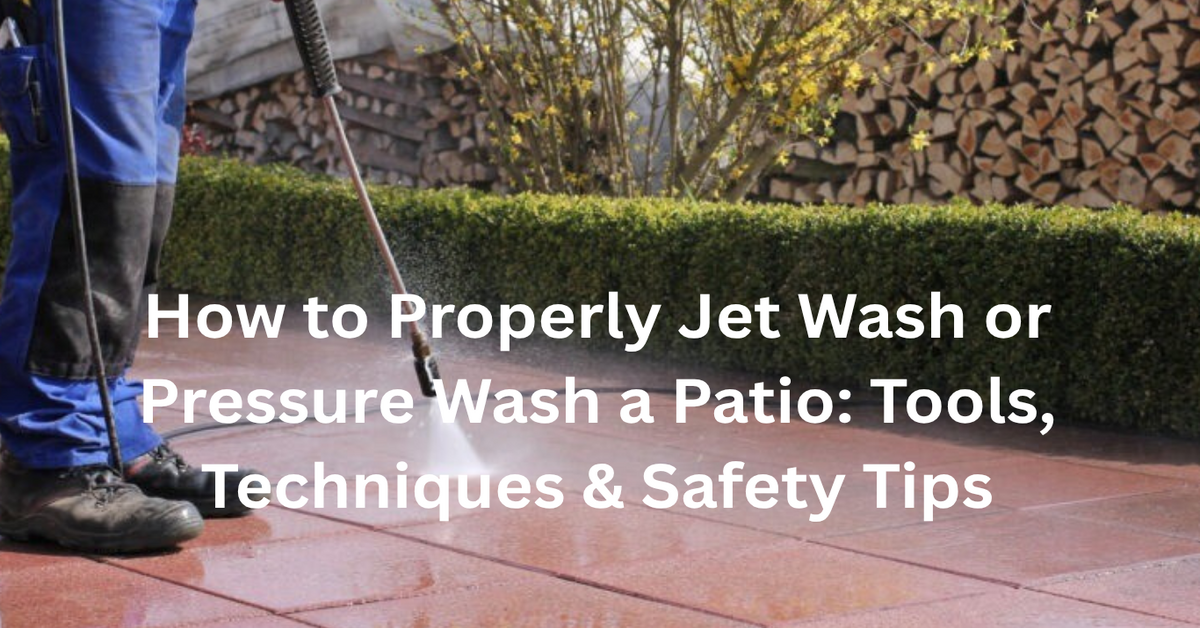
How to Pressure Wash a Patio: Easy Steps for a Spotless Shine
Is your patio looking dull and covered in dirt, grime, or stubborn stains? You don’t need to spend hours scrubbing by hand or hire expensive help.
With the right pressure washing techniques, you can bring your patio back to life quickly and easily. In this guide, you’ll learn simple, step-by-step tips to make your patio spotless and inviting again. Ready to transform your outdoor space and enjoy a fresh, clean patio?
Keep reading you’re just moments away from mastering the perfect pressure wash.
Choosing The Right Pressure Washer
Choosing the right pressure washer is key to cleaning your patio well. The right machine saves time and protects your patio surface. Not all pressure washers work the same. Picking the correct one makes the job easier and gives better results.
Types Of Pressure Washers
Pressure washers come in two main types: electric and gas-powered. Each type fits different needs and spaces.
- Electric Pressure Washers: Best for small to medium patios. They are quieter and lighter.
- Gas Pressure Washers: Better for large patios or heavy dirt. They offer more power but are louder and heavier.
Pressure Level (psi) And Water Flow (gpm)
PSI means pounds per square inch of water pressure. GPM means gallons per minute of water flow. These two numbers show how strong and fast the water cleans.
| Patio Size | Recommended PSI | Recommended GPM |
| Small (up to 200 sq ft) | 1300 – 1600 | 1.2 – 1.5 |
| Medium (200 – 500 sq ft) | 1600 – 2000 | 1.5 – 2.0 |
| Large (500+ sq ft) | 2000 – 3000 | 2.0 – 4.0 |
Nozzle Types And Spray Patterns
Nozzles control the water spray shape and strength. Different nozzles fit different cleaning tasks.
- 0-degree nozzle: Very strong, narrow spray. Use carefully on tough stains.
- 15-degree nozzle: Good for heavy dirt removal.
- 25-degree nozzle: Best for general patio cleaning.
- 40-degree nozzle: Gentle spray for delicate surfaces.
Additional Features To Consider
Extra features add comfort and safety during cleaning.
- Adjustable pressure control: Lets you change pressure for different surfaces.
- Detergent tank: Helps apply soap easily to the patio.
- Long hose and wand: Reach all corners without moving the machine often.
- Safety lock: Prevents accidental spraying.
Preparing The Patio Surface
Before starting to pressure wash a patio, it is important to prepare the surface well. Proper preparation helps the cleaning process work better and protects the patio from damage. This step makes sure dirt and debris do not block the water spray. It also prevents stains from setting deeper into the patio material.
Clearing The Patio Area
Remove all furniture, plants, and decorations from the patio. This gives you full access to the surface and avoids water damage to other items. Sweep away leaves, dust, and loose dirt using a broom or leaf blower. This prevents dirt from spreading during washing.
Checking For Damage
Look closely for cracks, loose tiles, or broken parts on the patio. Small cracks can get worse under high pressure water. Mark or repair damaged spots before washing. Use patching material made for your patio type to fill cracks.
Protecting Nearby Plants And Surfaces
Cover plants near the patio with plastic sheets or tarps. Pressure washing can harm leaves and roots. Also, shield walls, windows, and wood surfaces close to the patio. Use painter’s tape and plastic to avoid water stains or damage.
Choosing The Right Cleaning Solution
Select a cleaning solution suitable for your patio material, such as concrete, brick, or stone. Check product labels to avoid harsh chemicals that cause discoloration. Dilute cleaning solutions as instructed to keep the surface safe.
Testing The Pressure Washer
Test the pressure washer on a small hidden area. Use low pressure first to see how the surface reacts. Adjust the pressure and nozzle type to avoid damage. This step helps find the best settings for effective cleaning.
Selecting The Appropriate Cleaning Solution
Selecting the right cleaning solution is key to pressure washing a patio effectively. It helps remove dirt, mold, and stains without damaging the surface. The right product makes cleaning easier and leaves your patio looking fresh.
Selecting A Cleaning Solution Based On Patio Material
Different patio materials need different cleaners. Using the wrong solution can cause damage or discoloration. Here is a simple guide:
| Patio Material | Recommended Cleaning Solution | What to Avoid |
| Concrete | Concrete cleaner or mild detergent mixed with water | Acid-based cleaners that can eat the surface |
| Brick | pH-neutral cleaner or mild bleach solution | Harsh chemicals that can cause fading or damage |
| Wood | Wood cleaner or oxygen bleach solution | Strong bleach or acid cleaners that harm wood fibers |
| Stone | Stone-safe detergents or non-acidic cleaners | Acidic or abrasive cleaners that erode stone |
Choosing Between Commercial And Homemade Cleaners
Commercial cleaners are made to work fast and target tough stains. They often contain chemicals that break down grime.
Homemade solutions are safer and cheaper. Common mixes include:
- Water and mild dish soap
- Water and vinegar (for mold and mildew)
- Baking soda paste for stains
Test any cleaner on a small area first. This prevents unexpected damage.
Safety Tips For Handling Cleaning Solutions
- Wear gloves and eye protection while using chemicals.
- Use solutions in well-ventilated areas to avoid fumes.
- Follow product instructions carefully for dilution and application.
- Keep children and pets away from cleaning areas.
Proper care with cleaning solutions keeps you and your patio safe.
Setting Up Safety Measures
Setting up safety measures is the first step before pressure washing a patio. This task uses strong water pressure that can cause injury or damage if not handled correctly. Taking simple precautions protects you and your property. Follow these safety tips carefully to work safely and effectively.
Wear Protective Gear
Always wear the right clothes and equipment. This keeps your body safe from high-pressure water and debris.
- Safety goggles: Protect your eyes from flying dirt and water spray.
- Gloves: Shield your hands from pressure and cleaning chemicals.
- Non-slip shoes: Prevent slipping on wet surfaces.
- Long pants and sleeves: Cover your skin to avoid cuts and scrapes.
Check The Work Area
Inspect the patio and surroundings before starting. Clear obstacles and protect delicate items.
- Remove furniture, plants, and decorations.
- Cover electrical outlets and switches with waterproof tape.
- Look for cracks or loose stones in the patio.
- Keep pets and children away from the area.
Secure The Pressure Washer
Proper setup of the pressure washer reduces hazards. Follow these steps:
| Step | Action |
| 1 | Place the washer on a flat, stable surface. |
| 2 | Check hoses and connections for leaks or damage. |
| 3 | Connect water supply securely and turn it on. |
| 4 | Use the correct nozzle for patio cleaning to avoid damage. |
| 5 | Test the washer briefly away from the patio. |
Adjusting The Pressure Settings
Adjusting the pressure settings is a key step in pressure washing a patio. It helps protect the surface and cleans effectively. Too much pressure can damage the patio. Too little pressure will not clean well. Finding the right balance makes the job easier and safer.
Understanding Pressure Levels
Pressure washers have different pressure levels. They are measured in PSI (pounds per square inch). Most patios need a pressure between 1500 and 2500 PSI. Some delicate materials require less pressure. Hard surfaces like concrete can handle more pressure.
| Surface Type | Recommended PSI |
| Wood | 1500 – 1600 PSI |
| Brick | 1800 – 2000 PSI |
| Concrete | 2000 – 2500 PSI |
How To Adjust The Pressure
Most pressure washers have a dial or knob to control pressure. Some models change pressure by switching nozzles. Use the following steps:
- Turn on the machine at low pressure.
- Use the dial or knob to increase pressure gradually.
- Switch to a higher-pressure nozzle if needed.
- Test the pressure on a small spot.
Tips For Safe Pressure Adjustment
- Start low: Begin with the lowest pressure.
- Test often: Check the surface for damage.
- Move evenly: Keep the wand moving to avoid marks.
- Wear safety gear: Use goggles and gloves.
Pressure Washing Techniques
Pressure washing a patio cleans dirt, mold, and stains quickly and effectively. Using the right pressure washing techniques protects your patio surface while removing grime. This section explains key methods to get the best results safely and efficiently.
Choosing The Right Nozzle
Selecting the correct nozzle controls water pressure and spray angle. Nozzles with a wider angle cover more area but deliver less pressure. Narrower angles provide stronger pressure but may damage surfaces if used incorrectly.
- 25-degree nozzle: Good for general cleaning on concrete and stone.
- 15-degree nozzle: Best for tough stains but use carefully.
- 40-degree nozzle: Ideal for delicate surfaces or rinsing.
Maintaining Proper Distance
Keep the pressure washer wand about 12 to 24 inches from the patio surface. Too close risks damaging the material. Too far reduces cleaning power. Move the wand slowly and evenly for consistent results.
Using A Controlled Pattern
Cleaning in a steady, overlapping pattern ensures no spots get missed. Use side-to-side strokes, slightly overlapping each pass. This method avoids streaks and gives an even clean.
- Start at one corner of the patio.
- Move horizontally across the surface.
- Overlap each pass by about 30%.
- Work in sections until the entire patio is clean.
Adjusting Pressure Settings
Set the pressure washer to a level that cleans effectively without harming the surface. Hard surfaces like concrete handle higher pressure. Softer materials like wood need lower pressure.
| Surface Type | Recommended PSI |
| Concrete or stone | 2500 – 3000 PSI |
| Wood or composite | 1200 – 1500 PSI |
| Brick or pavers | 2000 – 2500 PSI |
Pre-treating Stubborn Stains
Apply a cleaning solution or detergent before pressure washing for tough spots. Let it sit for 5-10 minutes but do not let it dry. This loosens dirt and mold, making pressure washing easier.
- Use patio-safe detergents.
- Spray evenly over the surface.
- Rinse thoroughly after washing.
Dealing With Stubborn Stains
Stubborn stains on a patio can spoil its look. Dirt, grease, mold, and algae can stick deep into the surface. Pressure washing removes many stains. Some marks need extra care. Dealing with stubborn stains takes patience and the right tools. Use special methods to clean tough spots and bring your patio back to life.
Clear the patio of furniture and debris. Sweep or blow away loose dirt. Wet the area with water before pressure washing. This helps prevent damage to the surface. Protect plants and nearby areas with plastic sheets or tarps.
Choosing The Right Cleaning Solution
Use a cleaning solution made for patios. Different stains need different cleaners:
| Stain Type | Recommended Cleaner |
| Oil and grease | Degreaser or dish soap mix |
| Mold and algae | Bleach solution or mildew remover |
| Dirt and mud | All-purpose patio cleaner |
Apply the cleaner and let it sit for 5-10 minutes. Do not let it dry out.
Using The Pressure Washer Correctly
- Use a wide spray nozzle (25 to 40 degrees) for stubborn stains.
- Keep the nozzle 12-18 inches from the surface.
- Move the spray side to side in a steady motion.
- Do not hold the spray in one spot; it can cause damage.
- Use low to medium pressure settings for delicate surfaces.
Extra Tips For Tough Stains
- Apply cleaner twice for very tough spots.
- Use a stiff brush to scrub stains before pressure washing.
- Rinse the area well after cleaning.
- Repeat the process if stains remain.
Post-washing Care And Maintenance
Cleaning your patio with a pressure washer makes it look fresh and new. Post-washing care and maintenance keep it clean longer and protect the surface. Taking a few simple steps after washing helps avoid damage and keeps your patio safe for use.
Cleaning Up Residue And Debris
After pressure washing, some dirt and debris may remain. Use a broom or leaf blower to clear loose particles. This prevents dirt from settling again and keeps the patio surface smooth.
- Sweep gently to avoid scratching delicate surfaces.
- Remove leaves, sticks, and loose dirt thoroughly.
- Check corners and edges where debris collects.
Sealing The Patio Surface
Sealing helps protect the patio from water, stains, and fading. Wait until the surface is completely dry before applying sealer. Use a brush or roller for even coverage.
| Sealer Type | Best For | Drying Time |
| Acrylic | Concrete and stone | 4-6 hours |
| Penetrating | Natural stone | 24 hours |
| Epoxy | High-traffic areas | 12 hours |
Regular Maintenance Tips
Keep the patio clean with simple habits. This stops dirt build-up and extends the life of the surface.
- Sweep the patio weekly.
- Wash spills immediately.
- Remove weeds growing between stones.
- Check for cracks or damage regularly.
- Repeat sealing every 1-3 years depending on wear.
Frequently Asked Questions
How Much Water Pressure Is Safe For Cleaning A Patio?
Use water pressure between 1500 and 2500 PSI to clean patios safely. Too much pressure can damage the surface. This range removes dirt without causing harm.
What Cleaning Solutions Work Best With A Pressure Washer?
Mild detergents or patio-specific cleaners work best with pressure washers. Avoid harsh chemicals that can damage surfaces or plants. Always follow product instructions for best results.
How Far Should I Hold The Pressure Washer Nozzle?
Keep the nozzle 12 to 18 inches from the patio surface. Holding it too close can cause damage. This distance cleans well without hurting the material.
How Long Does It Take To Pressure Wash A Patio?
Pressure washing a patio usually takes 30 to 60 minutes. Time depends on patio size and dirt level. Plan accordingly for best cleaning results.
Conclusion
Pressure washing your patio can bring fresh life to your outdoor space. Follow the steps carefully for the best results. Use the right pressure and cleaning solution to avoid damage. Take safety seriously and protect plants and furniture nearby. Regular cleaning keeps your patio looking neat and inviting.
A clean patio invites family and friends to enjoy time outside. Give your patio a good wash and see the difference. Simple care can make your outdoor space feel like new again.