
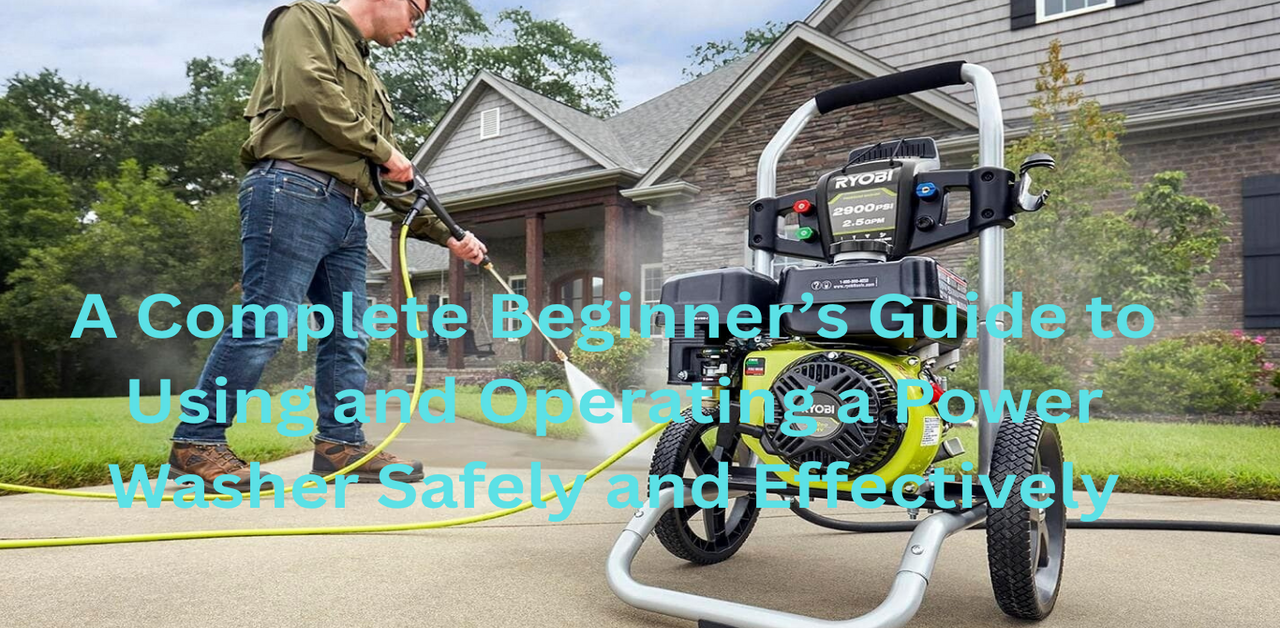
How to Operate Power Washer: Expert Tips for Safe, Efficient Cleaning
If you want to make your cleaning tasks faster and more effective, learning how to operate a power washer is a smart move. Imagine blasting away dirt, grime, and stubborn stains with just a pull of a trigger.
Sounds satisfying, right? But before you start, it’s important to know the right way to handle this powerful tool. In this guide, you’ll discover simple steps to use your power washer safely and get the best results every time. Keep reading, and you’ll soon be cleaning like a pro without any hassle.
Choosing The Right Power Washer
Choosing the right power washer is important for a safe and effective cleaning job. Different power washers work better for different tasks. Picking the right one saves time and effort. It also protects surfaces from damage.
Understanding Power Washer Types
Two main types of power washers exist: electric and gas-powered. Each has clear benefits and limits.
- Electric power washers are quieter and lighter. They work best for small jobs and light cleaning.
- Gas-powered power washers are stronger. They handle big jobs and tough dirt well. But they are heavier and noisier.
Choosing The Right Pressure Level
Pressure is measured in PSI (pounds per square inch). The right PSI depends on the cleaning task.
| Task | Recommended PSI |
| Light cleaning (cars, patio furniture) | 1300 – 1900 PSI |
| Medium cleaning (decks, fences) | 2000 – 2800 PSI |
| Heavy cleaning (driveways, concrete) | 2900+ PSI |
Considering Water Flow Rate
Water flow rate affects cleaning power. It is measured in GPM (gallons per minute). Higher GPM means faster cleaning.
- Low GPM (1.2 – 1.6) suits small jobs.
- Medium GPM (1.7 – 2.5) suits medium jobs.
- High GPM (2.5+) suits large or tough jobs.
Checking Power Source And Portability
Think about where you will use the power washer.
- Electric models need a power outlet nearby.
- Gas models work anywhere but need fuel.
- Weight and size affect how easy it is to move the washer.
Evaluating Additional Features
Extra features make power washers easier to use and more versatile.
- Nozzle options: Different nozzles change spray patterns and pressure.
- Detergent tanks: Help apply soap for better cleaning.
- Adjustable pressure: Lets you control pressure for delicate surfaces.
Safety Precautions
Using a power washer can make cleaning easier and faster. Safety precautions protect you from injury and keep the machine working well. Always follow safety rules before and during operation. This helps avoid accidents and damage.
Wear Protective Gear
Always wear the right safety equipment:
- Safety glasses to protect your eyes from debris.
- Gloves to keep your hands safe from high pressure and chemicals.
- Closed-toe shoes to protect your feet from water spray and falling objects.
- Hearing protection if the power washer is loud.
Check The Area
Before starting, clear the area of objects and people. Look for:
- Loose items that can be blown away or damaged.
- Children and pets to keep them away from the work zone.
- Electrical outlets or cords that may get wet.
Inspect The Equipment
Check the power washer before use:
| Part | What to Check | Why It Matters |
| Hose and Connections | Look for cracks or leaks | Prevent water leaks and loss of pressure |
| Nozzle | Make sure it is clean and not blocked | Ensure proper water flow and avoid damage |
| Power Cord (Electric Models) | Check for cuts or damage | Avoid electrical shock |
Use Proper Technique
Hold the power washer with both hands. Keep a firm grip to control the spray. Never point the nozzle at people, animals, or yourself.
- Start with low pressure to avoid damage.
- Keep a safe distance from the surface you clean.
- Move the spray in a steady, sweeping motion.
Follow Electrical Safety
For electric power washers:
- Use a grounded outlet to reduce shock risk.
- Keep all electrical connections dry.
- Unplug the machine before cleaning or maintenance.
Setting Up The Equipment
Setting up a power washer properly is the first step to effective cleaning. It helps ensure safety and improves the machine’s performance. Taking time to prepare the equipment prevents damage and saves effort during use.
Choosing The Right Location
Pick a flat, open space near a water source. Avoid slippery or uneven areas to prevent accidents. Make sure the area has enough room to move freely while working.
Connecting The Water Supply
Use a garden hose that fits tightly to the power washer’s water inlet. Turn on the water fully before starting the machine. Check for leaks and fix any loose connections.
Attaching The High-pressure Hose
Secure the high-pressure hose to the machine’s outlet nozzle. Tighten the connection by hand until it feels firm. Avoid over-tightening to prevent damage to the threads.
Installing The Spray Gun And Nozzle
Attach the spray gun to the high-pressure hose. Next, select the correct nozzle for your cleaning job.
- 0° nozzle: Very strong jet for tough stains.
- 15° nozzle: Good for removing dirt and paint.
- 25° nozzle: General cleaning of surfaces.
- 40° nozzle: Gentle spray for delicate areas.
Push the nozzle onto the spray gun and lock it into place. Make sure it clicks securely.
Checking The Fuel And Power Source
For gas-powered washers, fill the tank with fresh fuel. Check the oil level and add if needed. For electric washers, ensure the power cord and outlet are dry and undamaged.
Safety Gear Preparation
Wear safety goggles, gloves, and closed shoes. Avoid loose clothing that may get caught. Keep children and pets away from the work area.
Selecting Nozzles And Attachments
Choosing the right nozzles and attachments is key to operating a power washer safely and effectively. Different nozzles control the water spray pattern and pressure. Attachments can help reach tight spots or clean specific surfaces. Using the correct tools protects surfaces from damage and improves cleaning results.
Selecting Nozzle Types
Nozzles come in various colors, each showing a spray angle and pressure level. Pick the right one for the job to avoid harm or poor cleaning.
| Nozzle Color | Spray Angle | Best Use |
| Red | 0° (Pinpoint) | Stubborn stains, small areas, heavy dirt |
| Yellow | 15° (Narrow) | Concrete, brick, tough surfaces |
| Green | 25° (Medium) | General cleaning of decks, patios |
| White | 40° (Wide) | Delicate surfaces, cars, windows |
| Black | 65° (Soap) | Applying detergent or soap |
Choosing The Right Attachments
Attachments add convenience and improve cleaning power. Choose attachments based on the task and surface type.
- Surface Cleaner: Cleans large flat areas like driveways evenly.
- Extension Wand: Reaches high or hard spots safely.
- Rotary Turbo Nozzle: Spins water for extra scrubbing power.
- Foam Cannon: Sprays thick soap foam for better dirt removal.
How To Attach Nozzles And Accessories
- Turn off the power washer and release pressure.
- Pull back the collar on the spray gun tip.
- Insert the nozzle or attachment firmly into place.
- Release the collar to lock it securely.
- Check the connection before starting the washer.
Secure attachment prevents leaks and accidents. Always follow safety steps to protect yourself and your equipment.
Starting The Power Washer
Starting the power washer is the first step in cleaning surfaces quickly and effectively. Following the right steps ensures the machine runs smoothly and lasts longer. Before turning it on, prepare the power washer carefully. This section explains how to start the power washer safely and correctly.
Preparing The Power Washer
Check all connections. Make sure the water supply hose is tightly connected to the power washer. Attach the spray gun securely. Inspect the fuel or power source depending on your model.
- Fill the fuel tank with fresh gasoline for gas models.
- Plug in the electric power washer to a grounded outlet.
- Use clean water from a hose without kinks or leaks.
Setting The Controls
Adjust the controls before starting. Turn the water supply on fully. Set the throttle to the “start” position for gas machines. For electric washers, ensure the power switch is off before plugging in.
| Control | Gas Power Washer | Electric Power Washer |
| Throttle | Set to “Start” or “Choke” | Not applicable |
| Power Switch | Turn on after starting engine | Turn off before plugging in |
| Water Supply Valve | Fully open | Fully open |
Starting The Engine Or Motor
- Hold the spray gun trigger to release air from the system.
- For gas washers, pull the starter cord firmly until the engine runs.
- For electric washers, press the power button to start the motor.
- Allow the machine to run for a few seconds before spraying.
Safety Checks Before Use
- Make sure the spray nozzle is securely attached.
- Test spray on a small area to check pressure.
- Wear safety glasses and gloves.
- Keep children and pets away from the operating area.
Techniques For Effective Cleaning
Using a power washer can make cleaning fast and effective. The right techniques help remove dirt without damaging surfaces. These tips will guide on how to clean well with a power washer.
Choosing The Correct Nozzle
Different nozzles spray water at different pressures and angles. Pick the right nozzle to avoid damage and clean better.
- 0-degree (red): Very strong, good for tough stains on hard surfaces.
- 15-degree (yellow): Strong spray for removing dirt and paint.
- 25-degree (green): General cleaning, safe for most surfaces.
- 40-degree (white): Gentle spray for delicate surfaces like windows.
- Soap nozzle (black): Used to apply detergent or soap before washing.
Maintain Proper Distance
Keep the right distance between the nozzle and surface. Too close can cause damage, too far reduces cleaning power.
- Start about 3 feet away.
- Move closer slowly, but don’t go closer than 1 foot for most surfaces.
- Adjust distance based on surface type and dirt level.
Use Controlled Movements
Move the spray in steady, slow motions. Quick or random sprays leave streaks and miss spots.
- Spray side to side or up and down in overlapping strokes.
- Keep the spray angle consistent.
- Do not hold the nozzle too long on one spot.
Pre-treat Tough Areas
Apply detergent or soap on tough stains first. Let it sit 5-10 minutes before rinsing.
| Surface Type | Recommended Cleaner | Soak Time |
| Concrete | Alkaline detergent | 5 minutes |
| Wood Deck | Wood-safe cleaner | 10 minutes |
| Vehicle | Car wash soap | 3 minutes |
Safety First
Wear protective gear like goggles and gloves. Avoid spraying electrical outlets or fragile items.
- Check the area for loose objects.
- Use both hands to hold the power washer steady.
- Stop if the spray feels too strong for the surface.
Maintaining The Power Washer
Maintaining the power washer keeps it running strong and safe. Regular care helps avoid breakdowns and extends the machine’s life. Simple steps prevent costly repairs and make every cleaning job easier. Follow these key tips to keep your power washer in top shape.
Check And Change The Oil
Oil keeps the engine parts moving smoothly. Check the oil level before each use. Change the oil after the first 5 hours of use, then every 50 hours or as the manual says. Use the correct oil type for your model.
- Warm up the engine before checking oil.
- Use a clean cloth to wipe the dipstick.
- Fill oil slowly to avoid overfilling.
Clean The Water Inlet Filter
The water inlet filter stops dirt from entering the pump. Clean it every time you use the washer. Remove the filter, rinse with clean water, and check for damage. Replace if cracked or blocked.
Flush The System After Use
Flush the power washer with clean water after each job. This removes soap and dirt inside the pump and hose. Connect the washer to a water source without soap. Run it for 2 to 3 minutes to clear the system.
Inspect And Clean The Nozzles
Nozzles control water pressure and spray patterns. Dirt can clog them, reducing power. Use a nozzle cleaning tool or a thin wire to clear debris. Check nozzles regularly and replace worn ones.
Store Properly During Off-season
Proper storage protects the power washer from damage. Drain all water from the pump, hose, and gun. Add antifreeze if recommended by the manufacturer. Store the washer in a dry, cool place away from frost.
Check Hoses And Connections
Inspect hoses and fittings for cracks or leaks. Replace damaged parts immediately to avoid accidents. Tighten loose connections before each use.
| Maintenance Task | Frequency | Tips |
| Oil Change | Every 50 hours or as manual states | Use correct oil; avoid overfilling |
| Water Inlet Filter Cleaning | Before each use | Rinse thoroughly; replace if damaged |
| Flush System | After each use | Run clean water through the system |
| Nozzle Cleaning | Weekly or after heavy use | Use cleaning tool or wire |
| Storage Preparation | Seasonal or long-term | Drain water; add antifreeze if needed |
| Hose and Connection Check | Before each use | Replace cracks; tighten fittings |
Troubleshooting Common Issues
Troubleshooting common issues with a power washer keeps it running smoothly and safely. Problems may stop your cleaning or damage the machine. Knowing basic fixes saves time and effort. Below are common problems and easy ways to solve them.
Low Water Pressure
Low water pressure reduces cleaning power. Check these points:
- Water supply: Ensure the hose is fully open and not kinked.
- Filter screen: Clean the inlet filter to remove dirt or debris.
- Nozzle type: Use the correct nozzle for your task; a wider spray has less pressure.
- Leaks: Look for leaks in the hose or connections and fix them.
Power Washer Won’t Start
Starting issues are common but often easy to fix. Try these steps:
- Fuel check: Fill fresh gasoline if the tank is empty or old fuel is inside.
- Engine oil: Check oil level and add if low.
- Spark plug: Inspect and clean or replace if dirty or damaged.
- Choke position: Set the choke correctly for starting the engine.
- Safety switch: Make sure all safety features and switches are engaged properly.
Water Leaking From Pump
Water leaks can damage parts or reduce cleaning power. Follow these tips:
- Loose fittings: Tighten all hose and pump connections.
- Damaged seals: Replace worn or cracked pump seals.
- Pressure relief valve: Check if it is stuck or broken.
Engine Overheating
Overheating can cause serious damage. Prevent it with these checks:
- Coolant levels: For models with coolant, keep levels full.
- Airflow: Keep vents and cooling fins clean and clear.
- Run time: Avoid running the washer for too long without breaks.
Power Washer Surging Or Losing Power
Uneven power can make cleaning hard. Try these fixes:
| Cause | Solution |
| Dirty air filter | Clean or replace the air filter regularly |
| Fuel system issues | Use fresh fuel and clean fuel lines |
| Incorrect nozzle | Switch to a nozzle with proper spray size |
| Clogged injector | Clean the injector to ensure steady fuel flow |
Frequently Asked Questions
How Do I Safely Start A Power Washer?
Check all connections and water supply before turning it on. Hold the spray wand firmly and start the engine or motor. Avoid pointing the nozzle at people or fragile items.
What Pressure Setting Is Best For Cleaning Different Surfaces?
Use low pressure for delicate surfaces like wood or windows. Medium pressure works well on cars and patio furniture. High pressure is ideal for tough dirt on concrete or brick.
How Should I Maintain My Power Washer After Use?
Turn off the machine and release pressure from the hose. Drain leftover water to prevent damage from freezing or rust. Clean the nozzle and store the washer in a dry place.
Conclusion
Operating a power washer is simple with the right steps. Always check the equipment before starting. Use the correct nozzle and maintain a safe distance. Move steadily to clean surfaces evenly. Wear protective gear to stay safe. Regular cleaning keeps your tools working well.
Practice makes the process easier and faster. Power washing saves time and effort on tough dirt. Follow these tips to get great results every time. Ready to clean your space efficiently? Give it a try today!