
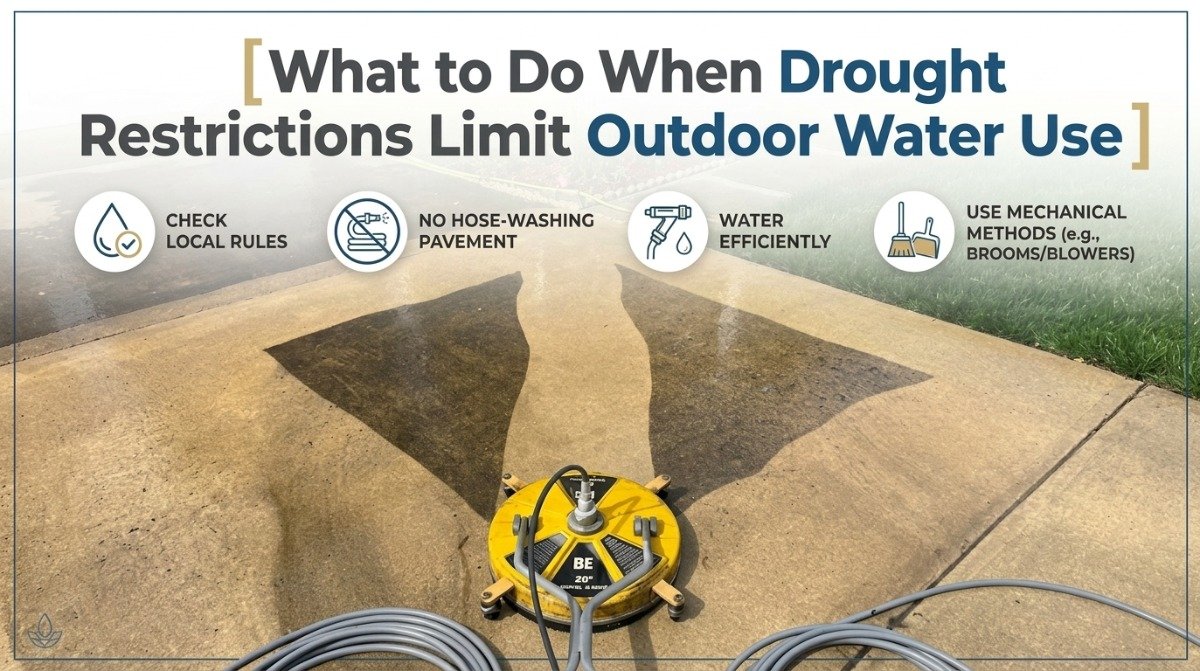
In the fall of 2024, during a long dry stretch, a homeowner in Newington called about green streaks creeping up the north side of their ranch. Before I could ask about the siding, they asked me something else. “Are you even allowed to wash houses right now?”
It was a fair question. When drought restrictions limit outdoor water use, most people assume everything outside has to stop. In Connecticut, that is usually not how it works.
The answer depends on two things. The first is the state drought stage for your county. The second is the rules of your own water supplier, and sometimes your town.
Below I’ll walk through what each stage means, what gets restricted first, where house washing fits, and what you can still do this week.
Can you still clean outside when drought restrictions limit outdoor water use?
In Connecticut, a Stage 2 drought advisory is a voluntary awareness step, so outdoor cleaning is not banned. Mandatory limits usually come from a water supplier, a town ordinance or a Stage 4 or 5 declaration. Check your county stage and your supplier, postpone nonessential washing, and choose low water methods like soft washing.
Here is the quick version.
| Situation | Can you wash the house? | What to do |
| No county in a drought stage | Yes | Wash normally, still avoid waste |
| State Stage 1 or 2 | Yes, voluntary cutbacks requested | Postpone nonessential jobs, use low water methods |
| State Stage 3 | Usually yes, but suppliers may add restrictions | Check your town and supplier notices first |
| Stage 4 or 5, a supplier’s mandatory phase, or a state emergency order | Possibly not | Follow the order; ask about a waiver only if your livelihood or health depends on it |
Is Connecticut in a drought right now, and how do you check?
As of October 2026, the state’s Connecticut Drought Information Center says no county is in a formal drought stage. On August 28, 2026, Governor Lamont announced that all drought advisories had been removed, leaving all eight counties with no formal declaration.
That can change quickly, so check for yourself in three places:
- The CT Drought Information Center for the current status and the five stages
- The U.S. Drought Monitor for a weekly map of how dry your area is
- Your own water supplier’s website, where mandatory rules show up first
Dry spells also arrive faster than they used to. In a 2025 NHPR interview, the state drought coordinator said fast arriving “flash” droughts are becoming more common.
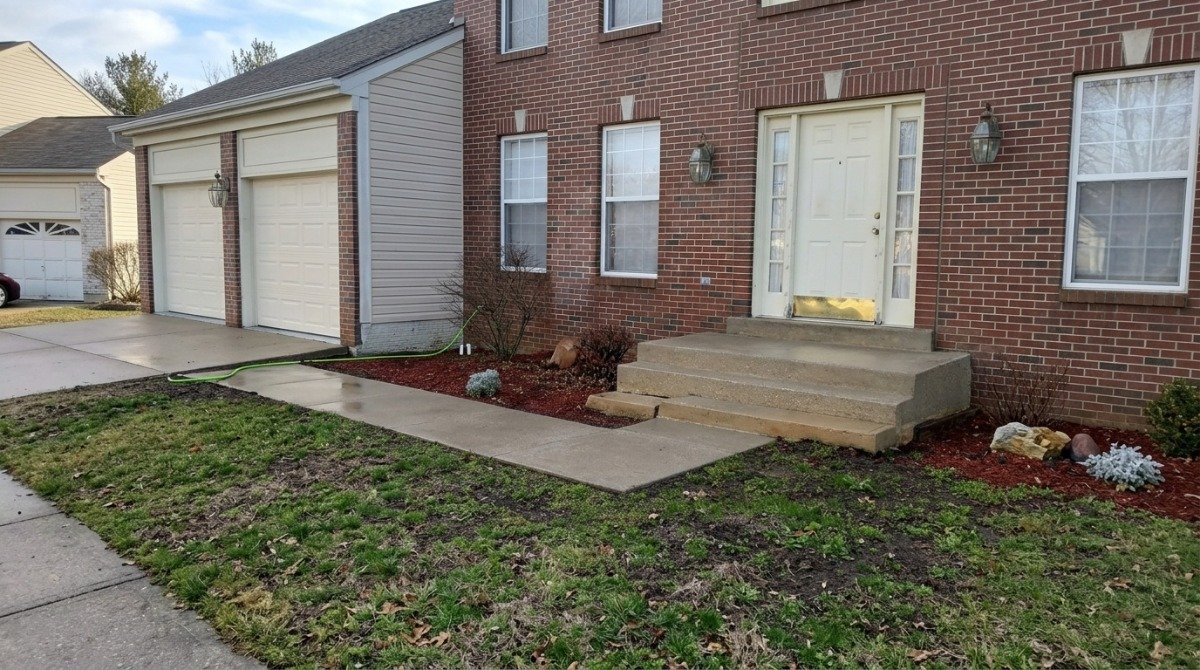
A short timeline of recent Connecticut drought declarations
Most declarations land in late summer or fall.
| Date | Declaration | Hartford County |
| October 2020 | Hartford County in Stage 3; residents asked to stop lawn irrigation | Stage 3 |
| November 9, 2024 | Stage 2 for all eight counties after the driest two month period since records began in 1905 | Stage 2 |
| October 7, 2025 | Stage 2 for Fairfield, Middlesex and New Haven counties; all counties had been at Stage 1 | Stage 1 |
| June 10, 2026 | Stage 2 for Fairfield, Middlesex and New Haven counties again | Not named |
| August 28, 2026 | All drought advisories removed statewide | No stage |
Hartford County has not been in a Stage 2 area since 2024. Some towns we serve were, though. Middletown sits in Middlesex County, and Wallingford and Cheshire are in New Haven County, so homeowners there were inside the 2025 and 2026 advisories.
What do Connecticut’s five drought stages mean for outdoor water use?
Connecticut follows a state Drought Preparedness and Response Plan, adopted in 2022. An Interagency Drought Workgroup watches rainfall, streamflow, groundwater, reservoir levels and other signs, then recommends a stage to the Governor.
| Stage | Name | What it means outdoors |
| 1 | Below Normal Conditions | Early dry signs. Officials and suppliers start preparing; nothing is asked of the public yet |
| 2 | Incipient Drought | First public stage. Voluntary: turn off automatic irrigation, fix leaks, follow supplier requests |
| 3 | Moderate Drought | Drought is established. Water suppliers may issue voluntary or mandatory restrictions |
| 4 | Severe Drought | Mandatory restrictions likely. A supplier’s first mandatory phase aims for a 20 percent cut, and the plan says “No outside hose usage will be allowed” |
| 5 | Extreme Drought | Supplies threaten public health and safety. Nonessential water uses are banned and the Governor may declare an emergency |
In plain words, through Stage 2 nobody is barred from washing a house by the state plan alone. The ask is to cut nonessential use. From Stage 3 on, your supplier’s notices matter more and more.
Lawns are the first and biggest target. The state’s own conservation guidance calls excessive lawn watering the single biggest waste of water, and lists washing cars and filling pools as uses to cut back.
Why your water supplier’s rules can differ from the state stage
Larger public water suppliers keep their own water supply plans, with triggers based on their own reservoirs and wells. The state plan notes a supplier can run short when its county is not in drought, and the reverse.
The Metropolitan District, known as MDC, is a good example. MDC starts a Drought Advisory when reservoir capacity reaches 70 percent, beginning with a public awareness campaign and voluntary conservation.
As of September 30, 2026, MDC reported its reservoirs at 90 percent of capacity. Its two main reservoirs, Barkhamsted at 30.3 billion gallons and Nepaug at 9.5 billion gallons, hold about 664 days of typical use with zero rain when full.
When a supplier truly runs short, the Connecticut Department of Public Health can issue a water supply emergency order. That is where hard, enforceable restrictions usually come from.
Who supplies water in Newington, Hartford and nearby towns?
MDC serves eight member towns: Hartford, Newington, Wethersfield, Rocky Hill, Bloomfield, West Hartford, East Hartford and Windsor. It also serves parts of several other towns, close to 500,000 people in all.
Other towns we work in are on different systems. Based on the state utilities regulator’s list by town:
- Middletown: City of Middletown
- Avon: Avon Water
- Wallingford: Town of Wallingford and Meriden Water
- Plainville: Valley Water and the City of New Britain
- Portland: Portland Water and Connecticut Water
- Simsbury: Avon Water, Aquarion and the Tariffville Fire District
- Southington, Berlin, Farmington, Glastonbury, Cromwell and Cheshire: more than one supplier each, depending on the street
The simplest check is the name printed on your water bill. That is the company whose notices apply to you.
Is pressure washing allowed during drought restrictions in Connecticut?
Under a state Stage 2 advisory, there is no state ban on pressure washing or house washing. At Stage 3 and above, your supplier or town may add rules.
When towns adopt mandatory rules, many work from Connecticut’s model water use restriction ordinance. It says “The washing or cleaning of streets, driveways, sidewalks or other impervious areas is prohibited,” and bans car washing outside commercial car washes. House washing is not listed on its own.
The model sets fines of up to $100, then $200, then a court appearance and up to $500. It also includes a waiver process for anyone whose livelihood, health or sanitation is affected.
There is a real Connecticut example too. In March 2017, a revised Department of Public Health emergency order for Greenwich, Darien, New Canaan and Stamford listed power washing of residences and commercial buildings as permitted again, while the irrigation ban stayed. So power washing can be limited in a true emergency, but it tends to come back before lawn watering does.
Voluntary requests look different. On July 1, 2026, Waterbury asked residents to postpone pressure washing of driveways, sidewalks and buildings. It was a request, not a rule.
Driveways and sidewalks are the surfaces most likely to be named. House washing rarely is, but the spirit of any request is to use only what is needed.
Should you wash now or wait?
Back to that Newington call. Once I’d checked the stage and MDC’s notices, I asked what was actually bothering them. That usually sorts the work into two piles.
Better to wait:
- Driveway and sidewalk brightening
- Cosmetic patio washing, even though deck and patio cleaning is something we do all season
- Anything that is purely about looks
- Any surface at all if your supplier has issued a mandatory order
Worth doing now with a low water method:
- Heavy mildew or algae on north siding that keeps spreading
- Slippery algae on steps and walkways, which is a safety issue
- Roof algae that keeps coming back and shortening shingle life
- A house going on the market, where curb appeal matters
Not sure what applies at your address? Call us at (860) 263-9031. We will check your county’s drought stage and your water supplier’s notices before we quote, and if waiting is the better call, we will say so.
How much water does a house wash actually use?
Most homeowner pressure washers run about 2 to 4 gallons per minute. Commercial machines run about 2.5 to 5 gallons per minute or more, based on manufacturer figures that home and garden publishers have gathered.
One manufacturer gives a simple example. Cleaning patio furniture took about 2.5 minutes and roughly 5 gallons with its pressure washer. With an open garden hose, the same job took 5 minutes and up to about 26 gallons.
That is where its “up to 80 percent less water” claim comes from. It is a seller’s estimate built on assumptions, so treat it as a rough guide.
The bigger factor is time. A flow rate tells you what comes out per minute, but what matters is how many minutes the trigger stays open.
A rental machine run all afternoon, pass after pass on the same wall, can use a lot. A wash planned around the solution, not the spray, uses far less.
Renting a machine? Time how long it takes to fill a 5 gallon bucket at the gun, work out gallons per minute, and multiply by the minutes you actually spray.
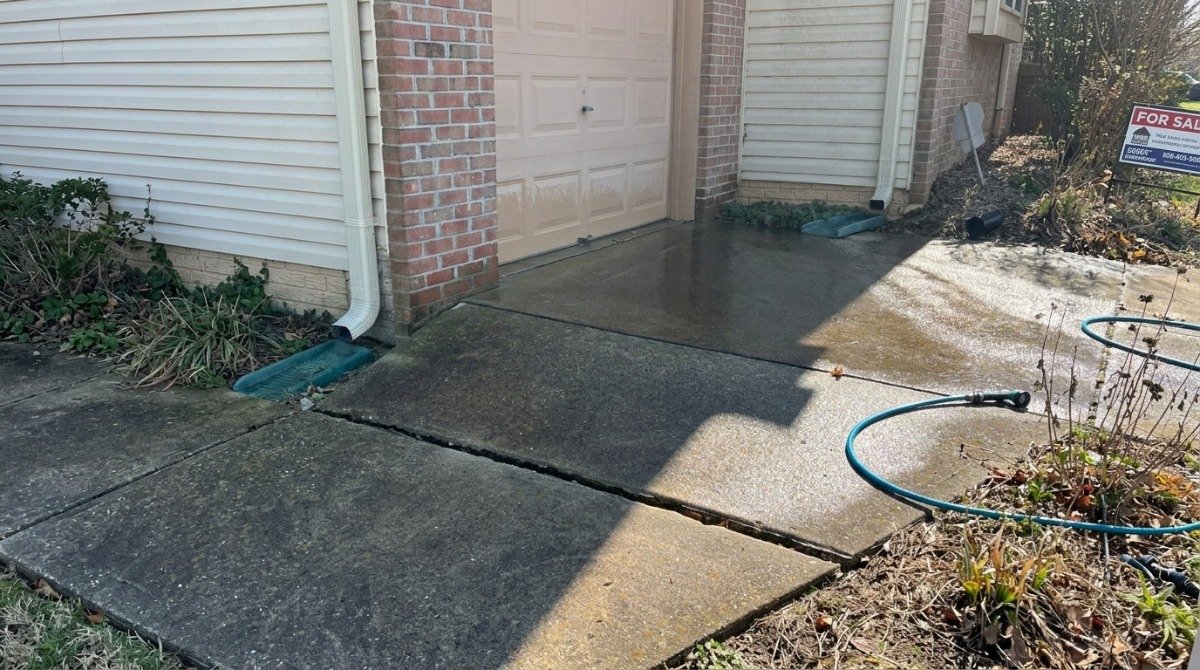
Back at that Newington ranch, the approach was the same one we use on most siding. We applied the cleaning solution, let it dwell, and gave each wall one low pressure rinse instead of going over it again and again.
Does soft washing use less water than pressure washing?
Soft washing cleans with a cleaning solution at low pressure. The solution does the work on mold, mildew and algae during its dwell time, and a gentle rinse carries it away. Less blasting usually means fewer passes and less time with water running.
There is a longer term saving too. Low pressure with eco friendly solutions removes mold and algae at the source. Growth treated that way tends to come back more slowly, so you need fewer washes per year.
I won’t give you a percentage, because every house and rig is different. But on siding and roofs in a dry year, I would pick soft washing over high pressure every time. As I tell people around town, “Soft washing is where many older Newington roofs and painted surfaces benefit most.”
Where does the rinse water go?
Rinse water should stay out of storm drains, which lead to local streams. Where it makes sense, steer runoff toward lawn or planted areas instead. Wet plants only where solution may drift, and rinse them after, rather than soaking whole beds. If a past job left your beds worse off, our post on what to do when a contractor damages your landscaping covers what to look for.
Gather and bag leaves and debris by hand instead of hosing them toward the drain.
What can homeowners still do outside during a drought advisory?
Quite a lot. Plenty of exterior upkeep needs little or no water.
Dry work that needs no water
- Sweep or blow off driveways, walks and decks instead of hosing them
- Clear gutters and downspouts by hand, ideally before the fall leaves come down
- Clear debris out of roof valleys
- Look over the siding for mildew spots and caulk gaps
- Trim branches that touch the roof
If ladders aren’t your thing, gutter cleaning is mostly dry work for a crew too.
Lawn and garden
- Turn off automatic irrigation, the first thing every recent Stage 2 advisory has asked for
- Water by hand in the early morning if you have to
- Let cool season grass go dormant; it usually greens up again when rain returns
- Mulch beds to hold moisture in
Spot cleaning
- Use a bucket and soft brush on entry doors, steps and small mildew patches
Plan the wash
- Book a house wash for after restrictions ease
- Or schedule a soft wash now for problems that can’t wait
Condo boards with a spring or fall wash on the calendar face the same choice, and the same stage check applies to them.
What if you are on a private well?
Many homes in our outer towns, like parts of Avon, Simsbury, Southington and Glastonbury, run on private wells. Recent advisories have told well users to watch local conditions and contact the local health department if supply runs low.
CT DEEP has water conservation guidance for homeowners with wells that lists the warning signs. Watch for your pump running more often than normal, water outages, or air sputtering from the faucet.
DEEP also suggests spreading water use across the day instead of using a lot at once. It points out that your well is not a storage tank, so don’t try to fill it from another source.
If dry weather hangs on, DEEP says relief normally arrives around mid October, when evaporation and plant use drop off.
For a wash on a well, ask the cleaning company how they rinse and whether they can bring water in. A short rinse is easier on a well than hours of spraying.
How we handled a house wash during a drought advisory
The call and the questions we asked
Back to that Newington ranch. Before quoting, I checked the state status. Hartford County was under the statewide Stage 2 advisory, a voluntary step.
They were on MDC water, and nothing on MDC’s side went beyond asking people to conserve. Then I asked what was really bothering them.
What we found on site
It was a typical Newington ranch with vinyl siding. The north wall had green streaks that had been spreading for a couple of seasons. The other walls had only some dust.
The driveway had some staining too, but it was purely cosmetic.
What we cleaned and what we left for later
We soft washed the siding. We wet the shrubs along the north wall only where solution might drift, applied the solution, let it dwell, and gave each wall a single low pressure rinse. The runoff went toward the lawn, not the street.
We left the driveway alone. Brightening concrete is exactly the kind of job a drought request is aimed at, and it could wait for wetter weather. We swept the walks instead.
“The priority on every property is matching the right method to the right surface.” That day, the right method also happened to be the one that used the least water.
The result
The north wall came out clean, and the shrubs came through fine. The homeowner was relieved they hadn’t broken any rules or looked careless to the neighbors. The driveway could wait until things eased. If your house has the same green north wall problem, our post on green algae on north facing walls explains why that side goes first.
Drought and outdoor cleaning in Hartford, Newington and Central Connecticut
Most of our core towns, Newington, Hartford, Wethersfield, Rocky Hill and Bloomfield, sit on MDC water. Much of it comes from the Barkhamsted Reservoir, the largest reservoir in Connecticut. MDC’s triggers follow its reservoir levels, not a statewide weather headline.
Dry spells here often overlap the late summer and fall window when people want the house clean before winter. Middletown, Wallingford and Cheshire sat inside the 2025 and 2026 Stage 2 areas, so owners there should watch notices more closely. Our commercial exterior cleaning in Middletown follows the same check first habit.
“Newington homes cover a wide range of ages and building materials, and each surface calls for a slightly different approach.” Older siding and roofing are a big reason we lean on low pressure, dry year or not. Our roof cleaning and vinyl siding cleaning are both done with that in mind. If roof streaks keep returning, our post on why black streaks return within a year is worth a read.
Frequently asked questions about drought restrictions and outdoor water use
Are Connecticut drought restrictions mandatory?
Not at the early stages. Stage 2 is a voluntary awareness step. Mandatory rules usually come from a supplier’s mandatory phase, a town ordinance, a Department of Public Health emergency order, or a Stage 4 or 5 declaration.
Can I pressure wash my house during a drought in Connecticut?
Under a voluntary advisory, yes, with restraint. Check your water supplier first and choose a low water method like soft washing. Driveways and sidewalks are the surfaces most often named in restrictions, so postpone those first.
Do pressure washers use less water than a garden hose?
Per minute, usually yes. Most homeowner pressure washers run about 2 to 4 gallons per minute. Total use depends on how long the trigger stays open, so a machine run for hours can still use a lot.
Does soft washing use less water?
It usually means fewer passes. Soft washing relies on a cleaning solution and dwell time, then a low pressure rinse, rather than repeated blasting. Growth treated at the source also comes back slower, so you may need fewer washes a year.
Who sets water restrictions in Newington and Hartford?
For most addresses, MDC sets supplier rules based on its reservoir levels. A town can adopt its own ordinance, and the Department of Public Health can issue an emergency order when a supplier runs short.
Is Hartford County in a drought right now?
As of October 2026, no. The Connecticut Drought Information Center says no county is in a formal drought stage, after all advisories were removed on August 28, 2026. Conditions can change quickly, so check before scheduling outdoor work.
What should private well owners do?
Watch for warning signs like the pump running more often, water outages or air sputtering from the faucet. Spread water use across the day and never try to fill the well from another source. If supply runs low, contact your local health department for help.
Can a professional crew still work during water restrictions?
Usually yes under an advisory, using low water methods and skipping cosmetic jobs. Under a mandatory order, the order comes first. The state’s model ordinance includes a waiver process for people whose livelihood, health or sanitation is affected.
Planning a wash during a dry season?
If the house needs attention and the weather has been dry, we are happy to take a look before anything gets sprayed. We will check the current drought stage and your water supplier’s notices, recommend a low pressure soft wash if it makes sense, or put you on the schedule for when restrictions ease.
Mr-Suds Power Washing PROs is licensed, bonded and insured, with a 5.0 rating you can see on our customer reviews page. We are at 130 Dewey Ave, Newington. Call (860) 263-9031 or reach us through our contact page.
First time house wash customers in Hartford and surrounding towns get 15% off.