
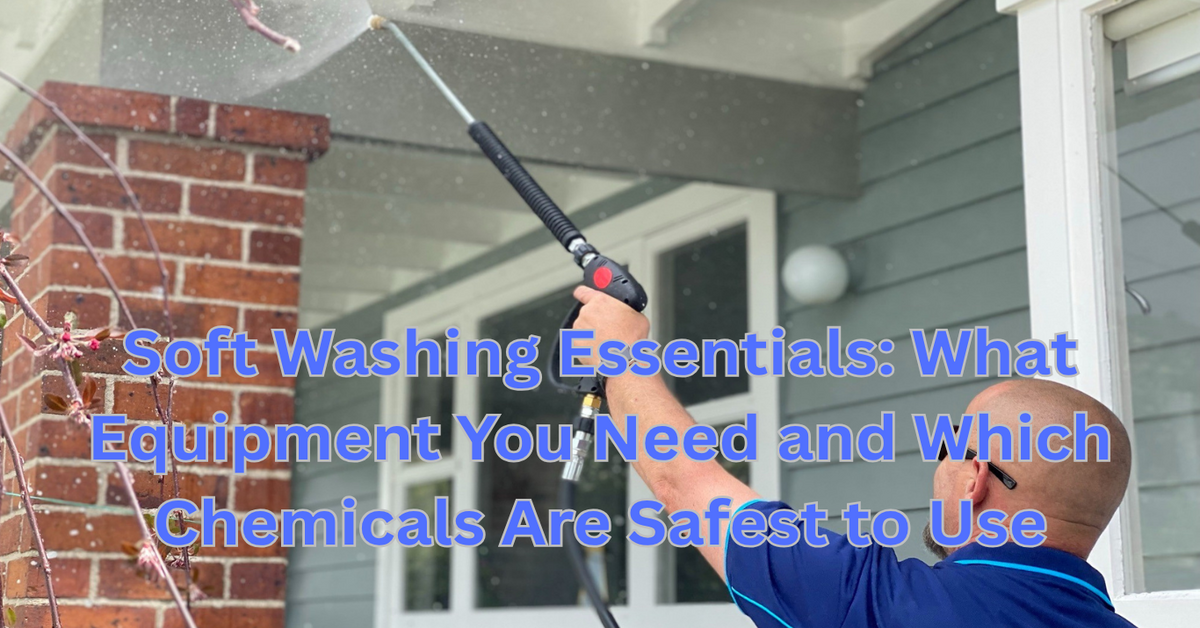
What Equipment Do You Need for Soft Washing: Essential Tools Revealed
Are you tired of stubborn dirt and grime ruining the look of your home or business? Soft washing is the gentle, effective way to clean surfaces without causing damage.
But before you start, you need the right equipment to get the job done safely and efficiently. Wondering what tools you need for soft washing? Keep reading, because knowing exactly what to use will save you time, protect your property, and give you the best results every time.
Let’s dive into the must-have gear that will make your soft washing project a success.
Essential Soft Washing Tools
Soft washing requires specific tools to clean surfaces gently and effectively. Using the right equipment protects your home and landscaping while removing dirt, mold, and algae. Essential soft washing tools help apply cleaning solutions at low pressure to avoid damage. These tools ensure thorough cleaning and save time.
Soft Wash Pump
The pump is the heart of soft washing equipment. It moves cleaning solutions through hoses and nozzles at low pressure. Soft wash pumps work slower than pressure washers but deliver enough force to clean surfaces safely.
- Electric or gas-powered options available
- Must support chemical-resistant materials
- Flow rate usually ranges between 1 to 5 gallons per minute
Chemical Injection System
This system mixes cleaning chemicals with water automatically. It controls the right amount of detergent for each job. Without it, you must mix chemicals by hand, which can be unsafe and inconsistent.
- Adjustable settings for different cleaning solutions
- Prevents chemical waste
- Protects users from chemical contact
Hoses And Nozzles
Hoses carry the cleaning mix from the pump to the spray gun. Nozzles control spray pattern and pressure. Using the right nozzle prevents surface damage.
| Tool | Description | Tip |
| High-Pressure Hose | Durable, chemical-resistant, flexible | Choose at least 50 feet for reach |
| Soft Wash Nozzle | Wide spray, low pressure | Use 25-degree or wider spray angles |
Spray Gun And Wand
The spray gun controls the flow of water and chemicals. The wand extends reach to clean high or hard-to-reach areas. Both must be comfortable to hold and easy to operate.
- Look for ergonomic handles
- Ensure trigger is smooth and responsive
- Use adjustable wands for different spray angles
Protective Gear
Safety is critical. Use protective gear to avoid chemical exposure and injuries.
- Gloves resistant to chemicals
- Goggles or face shield
- Waterproof boots
- Long sleeve clothing
Choosing The Right Pressure Washer
Choosing the right pressure washer is essential for soft washing. Soft washing uses low pressure and special cleaning solutions to clean surfaces gently. Picking the correct machine helps protect your home and get the best results.
Understanding Pressure Ratings
Pressure is measured in PSI (pounds per square inch). Soft washing needs low PSI to avoid damage. A pressure washer with 500 to 1500 PSI works well for soft washing.
High PSI machines can harm delicate surfaces. Stay in the low range for safety and effectiveness.
Considering Water Flow Rate (gpm)
GPM means gallons per minute. It shows how much water flows through the washer. A higher GPM cleans faster but uses more water.
For soft washing, choose a pressure washer with 1.5 to 2.5 GPM. This balance cleans well without wasting water.
Electric Vs. Gas Pressure Washers
- Electric washers are quieter and easier to use.
- Gas washers are more powerful and portable.
- For soft washing, electric models often work fine due to lower pressure needs.
- Gas models fit larger jobs but can be heavier and louder.
Features To Look For
| Feature | Why It Matters |
| Adjustable Pressure | Allows control for different surfaces |
| Detergent Injection System | Makes mixing cleaning solutions easier |
| Long Hose and Wand | Reaches high and far areas comfortably |
| Safety Features | Prevents accidents and protects user |
Tips For Choosing The Best Pressure Washer
- Check the PSI and GPM ratings match soft washing needs.
- Pick a model with detergent capabilities.
- Choose a machine with adjustable pressure settings.
- Consider the weight and ease of use.
- Read reviews from other soft washing users.
Soft Washing Pumps Explained
Soft washing pumps are the heart of any soft washing setup. They push the cleaning solution gently onto surfaces without causing damage. These pumps work differently from pressure washers. Instead of high pressure, they use low pressure and high volume. This helps clean roofs, siding, and delicate surfaces safely and effectively.
What Is A Soft Washing Pump?
A soft washing pump is a device that moves water and cleaning solutions at low pressure. It sprays a mixture of water and chemicals to remove dirt, algae, and mold. The pump must provide a steady flow and enough pressure to reach high surfaces. Too much pressure can harm surfaces, so soft washing pumps are designed to be gentle.
Types Of Soft Washing Pumps
- Diaphragm Pumps: Good for handling chemicals and providing consistent flow.
- Triplex Plunger Pumps: Durable and can handle higher pressures but adjustable for soft washing.
- Rotary Vane Pumps: Smooth flow and low maintenance, suitable for soft wash systems.
Key Features To Look For In A Soft Washing Pump
| Feature | Importance |
| Flow Rate (GPM) | Higher flow cleans larger areas faster |
| Pressure (PSI) | Low pressure prevents surface damage |
| Chemical Resistance | Durability when pumping cleaning solutions |
| Adjustability | Control flow and pressure for different jobs |
How Soft Washing Pumps Work
- The pump draws water and mixes it with cleaning chemicals.
- It pushes the solution through hoses to the spray nozzle.
- The solution sprays gently onto surfaces at low pressure.
- The chemicals break down dirt, algae, and grime safely.
Nozzles And Spray Tips
Nozzles and spray tips are essential tools for soft washing. They control how water and cleaning solutions spray onto surfaces. Choosing the right nozzle ensures gentle cleaning without damage. These parts affect pressure, spray width, and coverage. Proper use of nozzles makes soft washing safe and effective.
Nozzle Types For Soft Washing
Different nozzle types create various spray patterns. Each pattern suits different surfaces and cleaning needs.
- Fan Nozzles: Spread water in a wide, flat spray. Perfect for large, flat surfaces.
- Rotary Nozzles: Spin water in a circular pattern. Use with care to avoid damage.
- Jet Nozzles: Produce a narrow, strong stream. Not for soft washing.
Spray Tip Sizes And Pressure
Spray tips come in sizes measured in degrees, like 15°, 25°, or 40°. The number shows the spray angle.
| Tip Size | Spray Angle | Use |
| 15° | Narrow | Strong pressure, hard surfaces only |
| 25° | Medium | General cleaning, safe for many surfaces |
| 40° | Wide | Gentle cleaning, delicate surfaces |
Choosing The Right Nozzle For Soft Washing
- Select a wide spray tip (usually 40°) for low pressure.
- Use fan nozzles to cover large areas evenly.
- Avoid narrow or rotary tips to prevent surface damage.
- Test spray on a small area before full cleaning.
Maintaining Nozzles And Spray Tips
Keep nozzles clean for steady spray. Clogged tips reduce performance.
- Rinse nozzles after each use with clean water.
- Use a soft brush to clear dirt or debris.
- Replace worn tips to maintain spray quality.
Chemical Injection Systems
Chemical injection systems play a key role in soft washing. These systems mix cleaning chemicals with water before spraying. This process ensures the right amount of chemical is used. Proper mixing protects surfaces and cleans effectively.
Chemical Injection System Types
Several types of chemical injection systems exist for soft washing. Each offers different features and benefits.
- Downstream Injectors: Mix chemicals after water leaves the pump.
- Upstream Injectors: Mix chemicals before the pump.
- Proportioning Pumps: Precisely control chemical flow into water.
Key Features To Consider
| Feature | Importance |
| Adjustable Injection Rate | Allows control of chemical strength |
| Durable Materials | Prevents corrosion from harsh chemicals |
| Easy Maintenance | Saves time and reduces downtime |
How To Use Chemical Injection Systems
- Fill chemical tank with cleaning solution.
- Connect the injection system to the water source and pump.
- Adjust injection rate to desired chemical concentration.
- Start the pump and spray the mixture onto the surface.
- Rinse with clean water if necessary.
Benefits Of Using Chemical Injection Systems
- Consistent Chemical Mixing: Ensures even application.
- Cost Efficiency: Reduces chemical waste.
- Improved Safety: Limits direct contact with chemicals.
- Better Cleaning Results: Protects surfaces by using proper chemical strength.
Protective Gear And Safety Equipment
Protective gear and safety equipment are essential for soft washing. This work uses chemicals and water pressure, which can be dangerous without the right protection. Wearing proper gear keeps you safe from splashes, slips, and harmful substances. It also helps you work longer without injury or fatigue. Always prepare your safety equipment before starting any soft washing job.
Personal Protective Equipment (ppe)
Personal protective equipment prevents injuries and protects your skin and eyes. Here are the key PPE items for soft washing:
- Safety goggles: Shield your eyes from chemicals and debris.
- Gloves: Use chemical-resistant gloves to protect your hands.
- Protective clothing: Wear long sleeves and pants to cover your skin.
- Rubber boots: Prevent slips and protect feet from water and chemicals.
- Respirator mask: Avoid inhaling harmful fumes and particles.
Fall Protection Gear
Soft washing often requires working on ladders or roofs. Fall protection gear minimizes the risk of serious injury.
- Harness: A full-body harness secures you safely.
- Lanyard: Connects the harness to a secure anchor point.
- Anchor points: Strong, stable points to attach safety equipment.
- Non-slip footwear: Provides better grip on wet surfaces.
Safety Equipment For Handling Chemicals
Soft washing uses special detergents and chemicals. Proper safety equipment reduces exposure and accidents.
| Equipment | Purpose | Key Features |
| Chemical-resistant gloves | Protect hands from harsh chemicals | Durable, impermeable, comfortable fit |
| Respirator mask | Filter out harmful fumes and particles | Replaceable filters, adjustable straps |
| Eye wash station | Flush eyes in case of chemical contact | Easy access, quick activation |
| Spill containment kit | Control and clean chemical spills | Absorbent pads, neutralizing agents |
Cleaning Solutions And Detergents
Soft washing uses special cleaning solutions to remove dirt, mold, and algae gently. These solutions work with low water pressure to clean surfaces without damage. Choosing the right detergents is key for effective and safe cleaning.
Types Of Cleaning Solutions For Soft Washing
Soft washing uses different cleaning solutions, each for specific tasks. Common types include:
- Biodegradable detergents: Safe for plants and animals, these break down naturally.
- Algaecides: Target algae and moss on roofs and siding.
- Mildew removers: Remove mildew stains from surfaces.
- Oxidizing agents: Clean organic stains like bird droppings and tree sap.
Choosing the right product depends on the surface and type of dirt to remove.
How To Mix Cleaning Solutions Safely
Proper mixing ensures the cleaning solution works well and stays safe. Follow these steps:
- Wear protective gloves and goggles.
- Read the product label carefully.
- Use clean water for dilution.
- Mix the detergent and water in the recommended ratio.
- Stir the mixture gently to avoid foam.
Always test the solution on a small area before full application.
Storage And Handling Of Detergents
Store detergents in a cool, dry place away from sunlight. Use sealed containers to prevent spills and contamination.
| Storage Tip | Reason |
| Keep out of reach of children | Prevent accidental poisoning |
| Label all containers clearly | Avoid confusion between products |
| Store away from food | Maintain hygiene and safety |
Handle detergents carefully to avoid skin and eye irritation. Rinse immediately if contact occurs.
Maintenance And Storage Tips
Proper maintenance and storage keep your soft washing equipment working well. This extends the life of your tools and ensures safety. Cleaning and storing your gear correctly saves money and avoids repairs.
Cleaning Your Equipment After Use
Rinse all parts with clean water to remove chemicals and dirt. Use a soft brush to clean nozzles and hoses. This stops clogs and damage. Empty tanks completely to prevent leftover solution from harming equipment.
Inspecting Parts Regularly
Check hoses, connections, and pumps for cracks or leaks. Replace worn-out parts quickly to avoid bigger problems. Look for rust or buildup, especially on metal parts. Keep all seals tight for good pressure and safety.
Proper Storage Techniques
Store equipment in a dry, cool place away from sunlight. Hang hoses to prevent kinks and cracks. Cover pumps and machines to keep dust out. Avoid storing near chemicals that can cause corrosion.
Winterizing Your Soft Washing Equipment
- Drain all water and cleaning solutions from tanks and hoses.
- Use antifreeze in pumps if temperatures drop below freezing.
- Store equipment indoors to protect from cold weather damage.
- Check all parts again before the next use in spring.
Maintenance Schedule For Soft Washing Tools
| Task | Frequency | Notes |
| Rinse and clean equipment | After every use | Prevents buildup and clogs |
| Inspect hoses and nozzles | Weekly | Find leaks and damage early |
| Lubricate pump parts | Monthly | Ensures smooth operation |
| Full equipment check | Quarterly | Replace worn parts |
Frequently Asked Questions
What Is The Main Equipment Needed For Soft Washing?
Soft washing requires a low-pressure washer, chemical injector, and surface cleaner. These tools help clean gently without damage. They work together for safe and effective results.
Why Is A Chemical Injector Important In Soft Washing?
A chemical injector mixes cleaning solution with water precisely. It controls the amount of chemicals used to protect surfaces. This tool helps remove dirt while keeping surfaces safe.
Can I Use A Regular Pressure Washer For Soft Washing?
Regular pressure washers use high pressure, which can damage surfaces. Soft washing needs low pressure to avoid harm. Specialized equipment is better for gentle cleaning.
What Safety Gear Should I Wear During Soft Washing?
Safety goggles, gloves, and waterproof boots protect you from chemicals. Wearing a mask helps avoid inhaling cleaning sprays. Safety gear keeps you safe while working.
Conclusion
Soft washing needs the right tools to work well. A good pump, hoses, and nozzles help clean surfaces gently. Using safe chemicals protects your home and plants. Wearing protective gear keeps you safe during the job. Choosing the right equipment saves time and effort.
Start with these basics to get great results. Soft washing can keep your property fresh and clean. Simple tools, careful work, and safety make all the difference.