
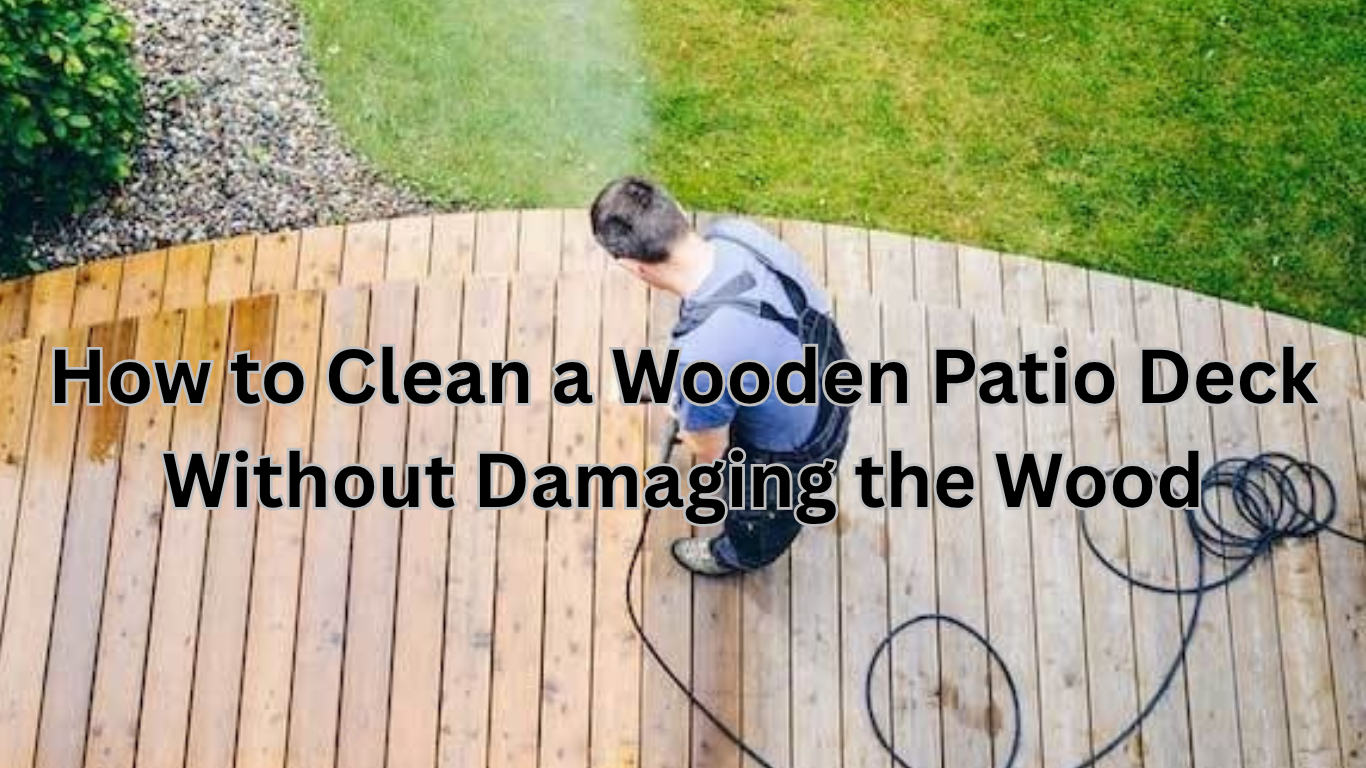
How to Clean a Wooden Patio Deck Without Damaging the Wood: Expert Tips
Your wooden patio deck is a beautiful extension of your home, a perfect spot to relax and entertain. But keeping it clean can be tricky.
You want your deck to look fresh and inviting without causing any damage to the wood. If you’ve ever worried about scrubbing too hard or using the wrong cleaner, you’re not alone. The good news? Cleaning your wooden deck can be simple and safe when you know the right steps.
Keep reading, and you’ll discover easy tips to make your deck shine without harming the wood underneath.
Choosing The Right Cleaning Tools
Choosing the right cleaning tools is key to keep your wooden patio deck safe and looking good. Using the wrong tools can scratch or damage the wood. Soft brushes and gentle cleaners work best. This section explains which tools to use and why they matter.
Choosing The Best Brush For Wooden Decks
Soft-bristle brushes are best for cleaning wood decks. They remove dirt without scratching the surface. Avoid wire brushes because they can leave marks and rough spots.
- Look for brushes with nylon or natural fibers.
- Choose a brush with a long handle for easy reach.
- A brush with medium stiffness works well on tough dirt.
Selecting The Right Cleaning Cloths And Sponges
Use soft cloths or sponges to wipe down the deck after brushing. Rough cloths can damage the wood finish. Microfiber cloths are gentle and absorb water well.
- Choose non-abrasive sponges.
- Replace dirty cloths often to avoid spreading grime.
- Use separate cloths for cleaning and drying.
Using The Ideal Pressure Washer Settings
Pressure washers clean decks fast but can harm wood if not set correctly. Use a low-pressure setting to avoid splintering.
| Pressure Level | Recommended Use | Risk to Wood |
| Below 500 psi | Safe for delicate cleaning | Low |
| 500-1200 psi | General cleaning | Medium |
| Above 1200 psi | Not recommended | High – can damage wood |
Always test on a small area before cleaning the whole deck.
Selecting Safe Cleaning Solutions
Choosing the right cleaning solution is key to protecting your wooden patio deck. Harsh chemicals can damage wood fibers and strip away natural oils. Safe cleaners remove dirt and stains without harming the wood’s surface. Using gentle products keeps your deck looking fresh and extends its life.
Understanding Wood-friendly Ingredients
Look for cleaners with natural or mild ingredients. Avoid bleach, ammonia, and strong acids. These substances can cause discoloration and weaken the wood.
- Mild soap: Dish soap diluted in water works well for light cleaning.
- Vinegar solution: Mix one cup of white vinegar with a gallon of water for mildew.
- Oxygen bleach: Safer than chlorine bleach; removes stains without harsh effects.
Commercial Cleaners Made For Wood Decks
Choose products labeled specifically for wooden decks. These cleaners balance effectiveness and safety. Read labels carefully to confirm they are non-toxic and biodegradable. Many brands offer eco-friendly options that protect your deck and the environment.
| Product Type | Key Features | Safe for Wood? |
| Oxygen-Based Cleaner | Removes stains, gentle on wood fibers | Yes |
| Chlorine Bleach | Strong stain remover, can weaken wood | No |
| Soap and Water | Safe, mild cleaning for light dirt | Yes |
Testing Cleaners On A Small Area
Always test any cleaner on a hidden spot first. This step prevents unexpected damage or discoloration. Apply the cleaner and wait 10-15 minutes. Check if the wood changes color or texture. Stop immediately if you see damage and try a different solution.
Preparing The Deck For Cleaning
Cleaning a wooden patio deck keeps it looking fresh and extends its life. Proper preparation is key to avoid damage during cleaning. Careful steps help protect the wood from scratches and stains. Preparing the deck well sets the stage for a deep, safe clean.
Clear The Deck Of Furniture And Debris
Remove all furniture, pots, and decorations from the deck. Sweep away leaves, dirt, and loose debris. This prevents dirt from scratching the wood during cleaning. A clean surface allows the cleaner to work better.
Inspect The Deck For Damage
Check for loose nails, splinters, or cracked boards. Fix these issues before cleaning to avoid worsening damage. Tighten nails and replace damaged boards if needed. This step keeps the deck safe and sturdy.
Protect Nearby Plants And Surfaces
Cover plants and walls near the deck with plastic sheets or cloth. Cleaners and water can harm them. Shielding these areas prevents stains and damage outside the deck.
Test The Cleaning Method On A Small Area
Try the cleaning solution on a hidden part of the deck first. Watch for any discoloration or damage. This test ensures the cleaner is safe for your wood type. Adjust the solution or method if problems appear.
Techniques For Gentle Scrubbing
Cleaning a wooden patio deck requires care to keep the wood safe. Harsh scrubbing can cause scratches and damage the surface. Using gentle scrubbing techniques helps remove dirt and stains without hurting the wood. This section shares easy ways to scrub your deck softly while still cleaning it well.
Using Soft-bristled Brushes
Soft-bristled brushes are ideal for scrubbing wooden decks. They clean without scratching the wood. Choose brushes made with nylon or natural fibers. Avoid stiff or wire brushes that can gouge the surface.
- Brush in the direction of the wood grain
- Apply light pressure to avoid damage
- Rinse the brush often to remove dirt
Choosing The Right Cleaning Solution
Use mild cleaning solutions for gentle scrubbing. Harsh chemicals can weaken wood fibers. Mix warm water with a small amount of dish soap or wood cleaner. This combination loosens dirt and grime safely.
| Cleaning Solution | Benefits | What to Avoid |
| Dish soap + warm water | Safe, gentle, removes light dirt | Strong detergents, bleach |
| Commercial wood cleaner | Specifically made for wood decks | Harsh chemicals, acids |
Scrubbing In Small Sections
Work on small sections to scrub gently and carefully. This method controls the pressure and avoids over-scrubbing. Follow these steps:
- Apply cleaning solution to one small area
- Use soft brush to scrub lightly
- Rinse area with water
- Move to the next section
Using Gentle Circular Motions
Scrub with gentle circular motions to lift dirt without scratching. This technique is effective and safe for wood. Avoid harsh back-and-forth scrubbing that can wear the surface quickly.
Rinsing And Drying Properly
After scrubbing, rinse the deck thoroughly with water to remove residue. Standing water can damage wood, so dry the surface using a clean cloth or let it air dry in the sun.
- Use a garden hose with gentle spray
- Do not use high-pressure washers
- Dry promptly to prevent mold growth
Using A Pressure Washer Safely
Cleaning a wooden patio deck requires care to keep the wood safe. A pressure washer can help remove dirt and grime quickly. Using a pressure washer safely means protecting the wood from damage. The right pressure and technique make all the difference. Learn simple steps to clean your deck without hurting it.
Choosing The Correct Pressure Setting
Select a pressure setting that cleans without stripping the wood. Use a low pressure, usually between 500 and 600 PSI. Higher pressure can cause splinters and cracks.
- Start at the lowest setting on your pressure washer.
- Test on a small hidden area of the deck.
- Adjust pressure only if dirt remains after cleaning.
Selecting The Right Nozzle
The nozzle controls the water spray pattern. A wide spray reduces damage risk. Use a 25-degree or 40-degree nozzle for wood decks.
| Nozzle Angle | Effect | Use for Wooden Deck? |
| 0° | Very concentrated, strong blast | No – Too strong, may damage wood |
| 15° | Strong, narrow spray | Use with caution |
| 25° | Moderate spray, less force | Yes – Safe for wooden decks |
| 40° | Wide spray, gentle cleaning | Yes – Best for delicate wood |
Proper Technique For Pressure Washing
- Keep the nozzle 12-18 inches away from the wood.
- Hold the wand at a 45-degree angle to the deck surface.
- Move the spray in smooth, even strokes along the grain.
- Do not stay in one spot for too long.
- Work in small sections for better control.
Precautions To Avoid Wood Damage
- Never use bleach or harsh chemicals with the pressure washer.
- Check for loose boards or nails before cleaning.
- Wear safety glasses and gloves for protection.
- Allow the deck to dry completely before sealing or staining.
Dealing With Stubborn Stains
Stubborn stains on a wooden patio deck can spoil its beauty. These marks often come from leaves, dirt, or spills. Cleaning them requires care. Harsh scrubbing or strong chemicals can harm the wood. Gentle methods keep the wood safe and looking great. Learn how to handle tough stains without damage.
Identifying The Type Of Stain
First, know what caused the stain. Different stains need different treatments. Here are common types:
- Organic stains: from leaves, grass, or bird droppings.
- Oil or grease stains: from food or machinery.
- Mold and mildew: dark or green patches caused by moisture.
- Rust stains: from metal furniture or tools.
Correct identification helps choose the safest cleaner for your deck.
Safe Cleaning Solutions For Tough Stains
Use mild cleaners that do not harm the wood. Here are good options:
| Stain Type | Recommended Cleaner | How to Use |
| Organic Stains | Warm water and mild dish soap | Mix, apply with soft brush, rinse well |
| Oil or Grease | Baking soda paste or commercial wood cleaner | Apply paste, scrub gently, rinse |
| Mold and Mildew | White vinegar diluted with water (1:1) | Spray, leave 10 minutes, scrub lightly, rinse |
| Rust | Lemon juice and salt mixture | Apply paste, wait 15 minutes, scrub, rinse |
Techniques To Remove Stains Without Damage
Follow these steps to clean stains safely:
- Test cleaner on a small, hidden area.
- Use a soft brush or sponge; avoid wire brushes.
- Work gently to avoid scratching wood.
- Rinse thoroughly with clean water.
- Dry the deck with a clean towel or let air dry.
Never use bleach or harsh chemicals. They weaken wood fibers and cause discoloration.
Drying And Ventilating The Deck
Proper drying and ventilating are essential after cleaning your wooden patio deck. Moisture left on the wood can cause damage like warping, mold, or rotting. Allowing air to flow and the deck to dry quickly protects the wood’s strength and appearance.
Drying The Deck Safely
After washing, remove excess water with a soft broom or mop. Avoid hard scrubbing that can scratch the wood. Let the deck air dry naturally. Avoid using heat sources or direct sunlight for long periods. They can dry the wood too fast and cause cracks.
- Use a soft broom to sweep water away gently
- Allow 6 to 12 hours of drying time on warm, dry days
- Check for standing water in corners or between boards
Improving Ventilation Around The Deck
Good airflow speeds drying and keeps wood healthy. Keep plants, furniture, or other items away from the deck edges. This lets air move under and around the wood. Open nearby windows or doors to increase cross-ventilation near the deck.
- Clear clutter near deck edges
- Trim plants that block airflow
- Use fans in enclosed patios to move air
Signs Your Deck Needs More Ventilation
| Symptom | Cause | Solution |
| Mold or mildew spots | Too much moisture trapped | Increase airflow and dry the deck |
| Wood feels damp for days | Poor ventilation or drainage | Clear debris, trim plants, improve airflow |
| Soft or spongy wood areas | Prolonged moisture exposure | Ensure proper drying and consider repairs |
Maintaining The Wood After Cleaning
Keeping a wooden patio deck clean is just the first step. Maintaining the wood after cleaning helps protect it from damage and keeps it looking fresh for years. Proper care prevents cracks, warping, and color fading. This section explains simple ways to care for your deck after cleaning.
Applying A Protective Sealant
Sealants guard the wood from water, sun, and dirt. Choose a sealant made for wooden decks. Use a brush or roller to apply it evenly. Wait for the deck to dry completely before walking on it.
- Clean the deck thoroughly before applying sealant
- Apply sealant in thin, even coats
- Allow at least 24 hours of drying time
- Reapply every 1-3 years for best protection
Regular Inspection And Repairs
Check the deck often for loose boards, nails, or splinters. Fix small problems early to avoid bigger damage. Tighten screws and replace rusty nails. Sand rough spots to keep the surface smooth.
Proper Cleaning Routine
Keep the deck clean by sweeping dirt and debris regularly. Use a mild soap and water mix for gentle washing. Avoid harsh chemicals or pressure washers that can damage the wood fibers.
- Sweep leaves and dirt weekly
- Wash gently with soap and water every few months
- Rinse thoroughly with a garden hose
- Dry the deck completely before use
Protecting The Deck From Sun And Moisture
Sun and rain cause wood to crack and fade. Use outdoor rugs or furniture pads to reduce direct contact. Place umbrellas or shade sails to limit sun exposure. Ensure good drainage to avoid water pooling.
| Protection Method | Benefit | How to Do It |
| Outdoor Rugs | Prevents scratches and sun damage | Choose breathable rugs, clean regularly |
| Shade Sails | Blocks harsh sunlight | Install over deck area |
| Furniture Pads | Protects wood from furniture scratches | Attach pads under furniture legs |
| Proper Drainage | Prevents water damage and rot | Check slope, clear gutters |
Frequently Asked Questions
How Often Should I Clean My Wooden Patio Deck?
Cleaning your wooden deck twice a year keeps it in good shape. Spring and fall are the best times to clean. Regular cleaning prevents dirt buildup and wood damage.
What Cleaning Solutions Are Safe For Wooden Decks?
Use mild soap mixed with water for safe cleaning. Avoid harsh chemicals that can damage the wood. Special wood deck cleaners are also a good choice.
Can I Use A Pressure Washer On My Wooden Deck?
Yes, but use a low-pressure setting to protect the wood. Keep the nozzle at least 12 inches away from the surface. High pressure can cause splinters and damage.
How Do I Prevent Mold And Mildew On My Deck?
Keep your deck dry by sweeping off leaves and debris. Clean mold with a mix of water and vinegar. Proper sunlight and airflow also reduce mold growth.
Conclusion
Cleaning a wooden patio deck takes care and patience. Use gentle tools and safe cleaners to protect the wood. Avoid harsh chemicals and strong pressure that can cause damage. Regular cleaning keeps your deck looking fresh and lasts longer. A clean deck also makes your outdoor space more inviting.
Follow these simple steps to enjoy your wooden deck for years. A little effort goes a long way. Keep your deck safe and beautiful with easy care.