
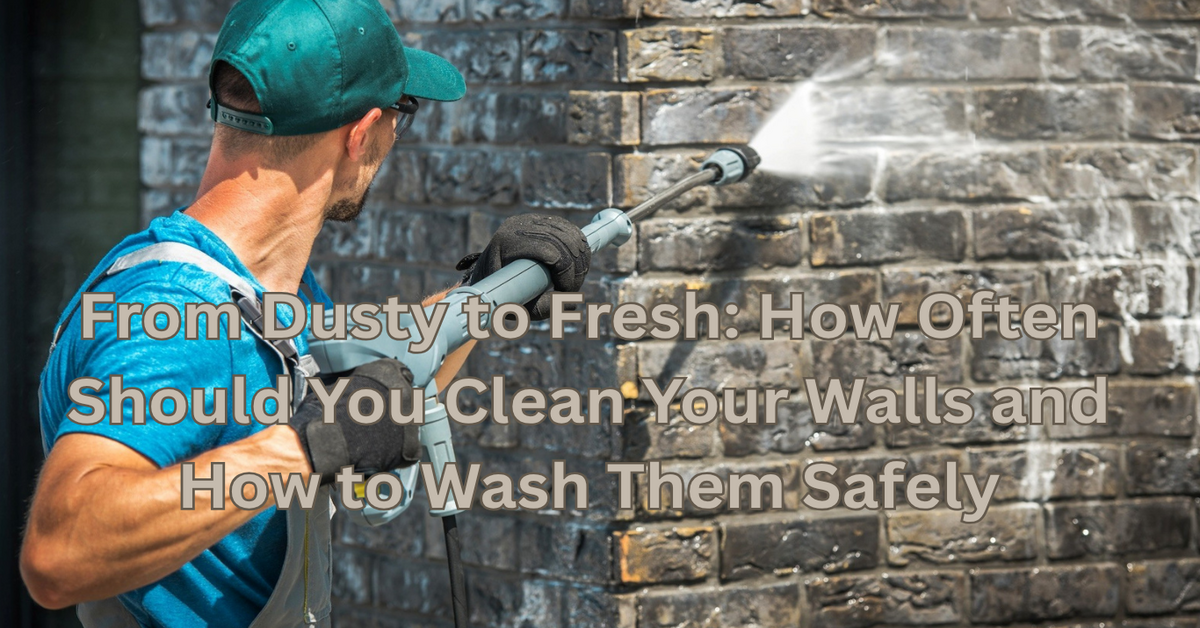
How to Properly Pressure Wash a Brick Home Without Causing Damage: Expert Tips
If you want your brick home to look fresh and clean, pressure washing might seem like the easiest fix. But did you know that using too much pressure or the wrong technique can actually damage your bricks and mortar?
You don’t want to spend time and money only to cause cracks or erosion. You’ll learn exactly how to pressure wash your brick home safely and effectively. Follow these simple steps, and your home will shine without risking costly damage.
Keep reading to discover the secrets that professionals use to get great results every time.
Choosing The Right Pressure Washer
Pressure washing a brick home needs care to avoid damage. The right pressure washer is key. Using too much force can hurt the bricks and mortar. Choosing the right washer helps clean effectively and safely. This guide helps pick the best pressure washer for brick walls.
Types Of Pressure Washers
Pressure washers come in different types, each with its own use. The two main types are electric and gas pressure washers.
- Electric Pressure Washers: These are lighter and quieter. They work well for small to medium jobs. They are easy to start and use less maintenance.
- Gas Pressure Washers: These are more powerful and good for large jobs. They are heavier and noisier but can handle tougher dirt and grime.
For brick homes, electric washers often provide enough pressure. They are easier to control and less likely to damage bricks.
| Type | Power Source | Best For | Advantages | Disadvantages |
| Electric | Electricity | Small to medium jobs | Quiet, lightweight, easy to use | Less powerful |
| Gas | Gasoline | Large and tough jobs | High power, portable | Noisy, heavy, more maintenance |
Recommended Psi For Brick
PSI means pounds per square inch. It shows how strong the water pressure is. For brick homes, pressure must be just right. Too high pressure can crack bricks or wash out mortar.
Ideal PSI for brick walls is between 500 and 1200 PSI. This range cleans dirt without causing damage.
- Below 500 PSI: May not clean well.
- 500-1200 PSI: Safe and effective for brick.
- Above 1200 PSI: Risk of damage; avoid for bricks.
Start with lower pressure and test a small hidden area first. Increase pressure slowly if needed but never go beyond 1200 PSI. This approach protects your home while cleaning.
Selecting Nozzles
Nozzles control the shape and force of the water spray. Choosing the right nozzle helps clean brick safely.
Nozzles are usually color-coded by spray angle:
- Red (0 degrees): Very strong and narrow spray. Too harsh for bricks.
- Yellow (15 degrees): Strong spray for tough stains. Use carefully.
- Green (25 degrees): Good balance for cleaning bricks gently.
- White (40 degrees): Wide spray, gentle on surfaces.
- Black (65 degrees): Soap nozzle, used for applying cleaning solutions.
Best choice for bricks is usually the green (25 degrees) or white (40 degrees) nozzle. They clean well without harming the brick or mortar.
Always hold the nozzle at a steady distance from the wall. Keep it moving to avoid damage in one spot.
Preparing The Brick Surface
Pressure washing a brick home can make it look clean and fresh. Proper care is needed to avoid damage to the bricks or mortar. Preparing the brick surface before washing is very important. This helps remove loose dirt and protects the home and nearby items. Taking the right steps ensures a safe and effective cleaning process.
Clearing Debris And Dirt
Start by removing loose debris from the brick surface. Use a soft brush or broom to sweep away leaves, dust, and spider webs. This helps prevent scratching the bricks during washing. Dirt and grime stuck on the bricks need gentle loosening. Avoid using hard tools that can chip the surface.
Steps to clear debris and dirt:
- Use a garden hose to rinse the wall lightly.
- Brush off loose dirt with a soft bristle brush.
- Pick off any cobwebs or insect nests.
- Check for any damaged or loose bricks that may need repair first.
Careful cleaning of the surface helps the pressure washer work better. It also prevents dirt from spreading to clean areas.
Protecting Nearby Plants And Fixtures
Plants and outdoor items near the brick wall can get harmed by strong water spray or cleaning chemicals. Covering these with plastic sheets or tarps stops water damage. Move small pots or delicate plants away if possible. This keeps them safe during washing.
Important tips for protection:
- Use plastic or cloth covers to shield plants and garden beds.
- Turn off or remove outdoor lights and fixtures near the wall.
- Cover electrical outlets with waterproof tape or plastic.
- Check that the covers are secure to avoid slipping during washing.
Keeping plants and fixtures safe prevents extra damage and cleanup later. It also helps keep the yard looking good after the work is done.
Using Safe Cleaning Solutions
Pressure washing a brick home can make it look fresh and clean. Using the right cleaning solutions is very important. Safe cleaning solutions help protect the brick and keep it from getting damaged. This guide explains how to choose and use safe solutions for cleaning brick walls.
Mild Detergents Suitable For Brick
Choosing the right detergent is key to cleaning brick safely. Mild detergents clean dirt and stains without harming the brick surface. These detergents are gentle and do not contain strong acids or harsh chemicals.
Some common mild detergents that work well on brick include:
- Dish soap diluted in water: A simple and safe option for light cleaning.
- Oxygen bleach: Effective for removing mold and mildew without damaging bricks.
- Commercial brick cleaners labeled as gentle: These are made for brick surfaces and are safe to use.
Always mix detergents with water as per instructions. Use a soft brush or low-pressure nozzle to apply the solution. This helps clean thoroughly without breaking the brick or mortar.
| Detergent Type | Use | Safety Notes |
| Dish Soap | Light dirt and grime | Mix with water, gentle on brick |
| Oxygen Bleach | Mold and mildew removal | Non-toxic, safe for brick |
| Commercial Brick Cleaner | General brick cleaning | Follow label instructions |
Avoiding Harsh Chemicals
Harsh chemicals can damage bricks and mortar quickly. They may cause discoloration or weaken the brick over time. Avoid using strong acids, bleach with chlorine, or ammonia-based cleaners on brick surfaces.
Common harsh chemicals to avoid include:
- Hydrochloric acid: Often found in some heavy-duty cleaners but can erode brick.
- Chlorine bleach: Can cause bricks to lose color and damage mortar.
- Ammonia-based cleaners: May harm brick and surrounding plants.
Using safe, mild detergents helps keep bricks strong and looking good. Always test a small area first to check for any damage. Protect plants and grass around the house by rinsing them well after cleaning.
Remember, gentle cleaning is better than harsh scrubbing or chemicals. This keeps your brick home safe and beautiful for years.
Setting Up The Pressure Washer
Pressure washing a brick home can make it look clean and fresh. But using too much force can cause damage. Setting up the pressure washer correctly is very important. This helps clean the bricks without hurting them. Understanding the right steps keeps your home safe and beautiful.
Adjusting Pressure Settings
Pressure washers have different pressure settings. Too high pressure can chip or crack bricks. Too low pressure may not clean well. It is best to choose a medium pressure level. This level is strong enough to clean dirt but gentle on the brick surface.
Follow these points to adjust pressure settings properly:
- Check the pressure gauge on your machine. It shows the current pressure.
- Start at the lowest setting. Increase only if needed.
- Use pressure between 500 and 600 PSI for brick walls. This range cleans well without damage.
- Avoid using pressure above 1500 PSI on brick. High pressure risks breaking mortar or bricks.
- Use a wide spray nozzle. It spreads water over a larger area and lowers force.
| Pressure Level (PSI) | Recommended Use | Risk to Brick |
| Below 500 | Light cleaning | Safe but may not remove tough dirt |
| 500 – 600 | Normal brick cleaning | Safe and effective |
| 600 – 1500 | Heavy dirt removal (use carefully) | Possible damage if too close or wrong angle |
| Above 1500 | Not recommended for brick | High chance of damage |
Testing On Small Areas
Before cleaning the whole wall, test on a small area. This helps check if pressure and technique are safe. Choose a hidden spot on the brick wall. Spray a small section with the chosen pressure and nozzle.
Look for these signs during testing:
- No damage to brick or mortar. No cracks or chips should appear.
- Dirt and stains come off easily.
- No water intrusion inside the brick. Water should run off, not soak in.
If the test shows damage or poor cleaning, adjust settings and try again. Keep testing until results are safe and clean. This saves time and protects your home from harm.
Pressure Washing Techniques
Pressure washing a brick home can brighten its look and remove dirt. Using the right methods keeps the bricks safe. This guide shares easy steps to clean bricks without damage. Careful pressure washing protects the home’s outside. Following these techniques helps keep bricks strong and clean for years.
Maintaining Proper Distance
Keeping the right distance between the pressure washer and brick is very important. Standing too close can cause damage to the bricks or mortar. Too far away, and the cleaning power will be weak. The best distance is usually between 12 to 18 inches. This keeps the water pressure strong but safe for the surface.
Try these tips for proper distance:
- Start at 18 inches and move closer slowly if needed.
- Keep the nozzle steady to avoid uneven cleaning.
- Adjust distance based on water pressure and nozzle type.
- Test on a small hidden area before cleaning the whole wall.
Here is a simple guide for distance and pressure settings:
| Pressure Level (PSI) | Recommended Distance | Notes |
| 1000 – 1500 | 12 – 18 inches | Safe for most brick surfaces |
| 1500 – 2000 | 15 – 18 inches | Use with caution, avoid mortar |
| Above 2000 | More than 18 inches | Not recommended for brick cleaning |
Using Consistent Sweeping Motions
Cleaning bricks with a pressure washer works best with smooth, even movements. Use a side-to-side sweeping motion to cover the area evenly. Moving too fast misses dirt. Moving too slow can cause damage. Keep a steady speed and angle for good results.
Follow these steps for sweeping motions:
- Hold the spray nozzle at a 45-degree angle.
- Move the spray in slow, steady strokes from side to side.
- Overlap each pass slightly to avoid streaks.
- Do not stay on one spot too long to prevent damage.
Consistent motions clean better and protect the brick. This method also saves water and time. It helps remove dirt without harming the surface or mortar joints.
Avoiding Direct Spray On Mortar
Mortar is softer than bricks. Direct spray on mortar can cause cracks or erosion. Protect mortar by aiming the spray only at the bricks. Keep the nozzle moving to avoid pressure buildup on mortar lines.
Tips to avoid mortar damage:
- Use a wide spray nozzle to reduce pressure.
- Keep the spray at an angle to the bricks, not straight on mortar.
- Focus on brick faces and avoid joints as much as possible.
- Inspect mortar after cleaning and repair any damage quickly.
Damaged mortar can cause water leaks and weaken the wall. Taking care during pressure washing keeps the mortar strong and safe.
Post-wash Care
Pressure washing a brick home is a great way to keep it clean. It removes dirt, mold, and stains. But, using too much pressure or the wrong method can cause damage. After washing, taking care of your brick is very important. This helps keep the bricks strong and looking good for many years.
Inspecting For Damage
After pressure washing, check the brick surface carefully. Look for cracks, chips, or loose mortar. These are signs that the pressure was too strong or the brick is weak.
Here are some key points to check:
- Cracks: Small lines on bricks or mortar can let water inside.
- Loose mortar: If the mortar is falling apart, it needs repair.
- Discoloration: Dark or light spots might show damage or mold.
- Brick surface: Rough or powdery texture means the brick is worn.
Use a soft brush or your hand to feel the surface. Check if any parts crumble easily. Take notes or photos of damage areas. This helps when you plan repairs.
Sealing And Protecting Brick
Sealing bricks after washing protects them from water and dirt. A good sealant stops moisture from entering the brick and mortar. This reduces damage from weather and mold growth.
Follow these steps for sealing:
- Wait until the brick is fully dry before sealing.
- Choose a sealant made for brick surfaces.
- Apply sealant evenly with a brush or sprayer.
- Cover all areas, including mortar joints.
- Let the sealant dry for the time on the product label.
Using a sealant also helps keep your bricks looking fresh. It can reduce cleaning time in the future. Here is a simple table to compare common sealant types:
| Sealant Type | Water Resistance | Appearance | Durability |
| Silicone-Based | High | Clear, natural look | 3-5 years |
| Acrylic | Medium | Slight gloss | 2-3 years |
| Silane/Siloxane | Very high | Invisible finish | 5-7 years |
Common Mistakes To Avoid
Pressure washing a brick home can bring back its clean, fresh look. It removes dirt, mold, and grime from the surface. But using the wrong method may cause damage to the brick or mortar. Common mistakes can lead to costly repairs or poor results. Knowing what to avoid helps keep your home safe and looking great.
Using Too High Pressure
Using very high pressure can damage the brick surface and mortar. Brick is strong but not meant to handle extreme force from a pressure washer. High pressure can cause:
- Cracks in the brick or mortar
- Loose or chipped bricks
- Water seeping inside walls
To protect your brick home, choose a pressure setting between 500 and 800 PSI. Use a wide spray nozzle (25 or 40 degrees) to spread the water force over a larger area. Keep the nozzle at least 12 inches away from the brick surface.
Here is a simple guide for pressure settings based on surface type:
| Surface | Recommended Pressure (PSI) | Nozzle Angle |
| Brick | 500 – 800 | 25° or 40° |
| Concrete | 2500 – 3000 | 15° |
| Wood | 500 – 600 | 25° or 40° |
Always test a small hidden area first. This helps you see if the pressure is safe before cleaning the whole wall.
Neglecting Safety Precautions
Pressure washing involves water and electricity, which can be dangerous. Skipping safety steps may cause injury or damage to your home. Follow these safety tips:
- Wear protective gear: goggles, gloves, and boots protect you from flying debris and water spray.
- Check the area for loose bricks or cracks before starting.
- Keep children and pets away during the cleaning process.
- Use a stable ladder if you need to reach high spots. Make sure it is secure.
- Never point the pressure washer at people or animals.
Electrical safety is also important. Use a pressure washer with a ground fault circuit interrupter (GFCI). Avoid using the machine in wet conditions without proper protection.
Following these safety precautions helps prevent accidents and protects your home from damage.
Frequently Asked Questions
What Pressure Level Is Safe For Washing Brick Homes?
Use a pressure level between 500 and 800 PSI for brick. Higher pressure can damage the brick or mortar. Always test a small area first.
Should I Use A Special Detergent For Brick Pressure Washing?
Yes, use a mild detergent made for masonry surfaces. Avoid harsh chemicals that can weaken bricks or remove paint. Rinse thoroughly after washing.
How Far Should The Nozzle Be From The Brick Surface?
Keep the nozzle at least 12 to 18 inches from the brick. Closer distances may cause chips or cracks. Move the spray in steady, even strokes.
Can Pressure Washing Remove Mold And Stains From Brick?
Pressure washing effectively removes mold, dirt, and stains from bricks. Use a soft brush with detergent for tough spots. Rinse well to prevent residue buildup.
Conclusion
Proper pressure washing keeps your brick home clean and safe. Use low pressure to avoid damage. Test a small area first to check results. Always keep the nozzle moving to protect bricks and mortar. Clean bricks last longer and look better.
Take your time and follow these steps carefully. Your home will stay beautiful without costly repairs. A little care goes a long way. Ready to enjoy a fresh, clean brick exterior?