
By Cory Cooper, Mr. Suds Residential Window Cleaning & Power Washing. Family owned, fully insured, serving Kingwood and the North Houston Metro area for over 20 years.
Here is a call we get almost every week.
A homeowner looks up at their roof, sees those dark streaks running down the shingles, and figures it is just dirt. So they think about renting a pressure washer and blasting it off.
Please don’t. That is the fastest way to take years off your roof.
Those black streaks are not dirt. They are algae, and the safe fix is a gentle soft wash, not high pressure. After more than 20 years cleaning exteriors around Kingwood and removing mold, mildew, and algae from homes all over North Houston, we have seen what a pressure washer does to a roof. It is not pretty.
So here is the honest, field-tested rundown. We will cover soft washing versus pressure washing, what it costs, what we use, how to handle moss, and the mistakes that quietly cost homeowners a whole new roof.
Soft Washing vs. Pressure Washing a Roof: Which Is Better?
Soft washing is better and safer for almost every roof. It uses low pressure plus roof-safe cleaning solutions to kill algae, moss, and mold at the root, then rinses them away without harming the shingles. Pressure washing blasts the surface with high-pressure water, which strips protective granules, lifts shingle edges, and can void your warranty. For shingles, soft washing wins every time.
The difference comes down to one idea. Soft washing lets the cleaning solution do the work. Pressure washing tries to force it with water, and your shingles pay the price.
What is soft washing?
Soft washing pairs very low pressure with a measured cleaning solution. The mix breaks the bond between the shingle and the growth, then kills the algae and moss down to the root.
No scrubbing. No blasting. Just chemistry doing what it is designed to do.
Why you should never pressure wash shingles
Asphalt shingles are coated in tiny granules that protect them from the sun and rain. High pressure knocks those granules loose, and once they are gone, the shingle ages fast.
It gets worse from there:
- High pressure can lift shingle edges and drive water underneath
- Water forced under the shingles can reach the decking and cause leaks
- Pressure washing voids many manufacturer warranties
| Method | Pressure | Best for | Roof risk | How long results last |
| Soft washing | Low | Shingles, tile, siding | Very low | 1 to 3 years |
| Pressure washing | High | Concrete, hard surfaces | High on a roof | Short, plus damage |
We have been called out to roofs that someone power washed the year before. You can see the clean stripes where the granules were stripped away. That damage does not come back.
Is Soft Washing Safe for Roofs and Siding?
Yes. Soft washing is safe for asphalt shingles, tile, siding, and most exterior surfaces because it relies on cleaning solution instead of force. It is the method roofing manufacturers actually recommend for removing algae and moss. Handled by a careful pro who protects the landscaping and uses the right dilution, it is the safest way to clean a roof.
The same gentle approach that protects your shingles also protects your siding, soffits, and trim. That is why soft washing has become the standard for delicate surfaces.
Why it is safe
There is no high pressure to wear down the surface. The solution does the cleaning, so nothing has to be scoured or scrubbed.
It also works deeper than a rinse. Because it kills growth at the root, the roof stays cleaner longer.
Is soft washing your roof a good idea?
For most homes, yes. It clears the algae and moss that make a roof look old, and it stops that growth before it eats into the shingles.
You protect the look of your home and the roof itself at the same time. That is a good trade.
Is a Roof Soft Wash Worth It? (And Is Professional Roof Cleaning Worth It?)
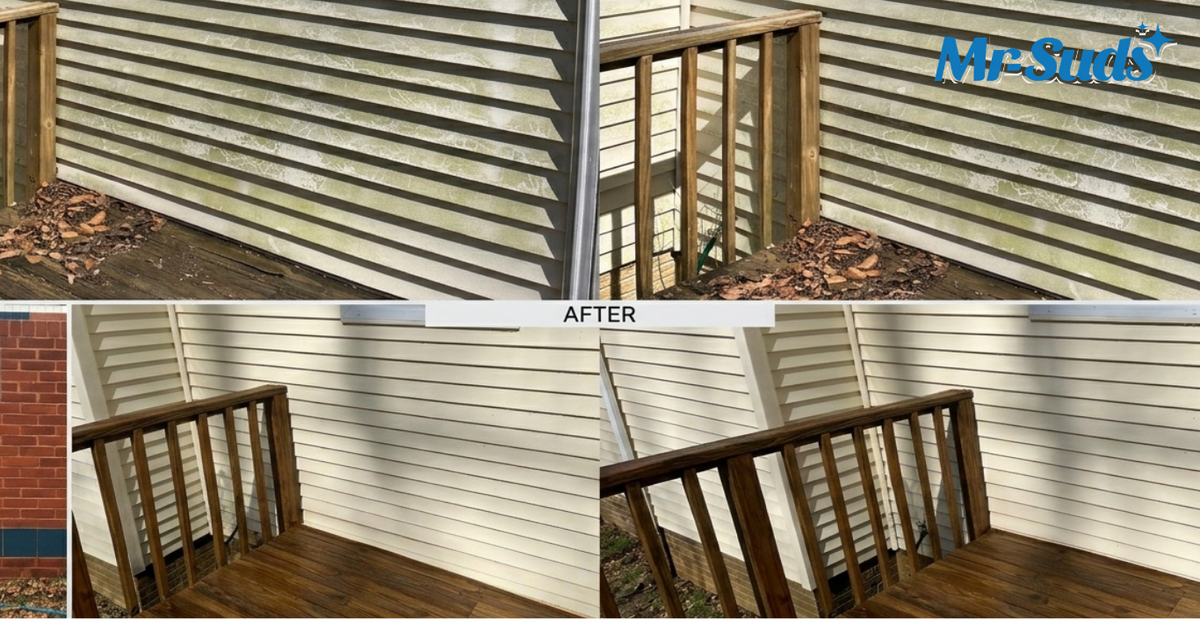
Yes, for most homeowners it is well worth it. A soft wash removes the algae and moss that trap moisture and break down shingles, which can add years to your roof’s life and instantly lift your curb appeal. Hiring a pro is worth it too, because roofs are steep, slippery, and dangerous, and the wrong pressure or chemical mix causes expensive damage.
Think of it as cheap insurance. A roof is one of the most expensive things on your house, and a wash costs a tiny fraction of a replacement.
The payoff
Regular cleaning does more than look good. It can add years to a roof by stopping growth before it does damage.
You get better curb appeal now and a longer roof life later. For anyone selling soon, it is one of the highest-return cleanups out there.
DIY versus hiring a pro
We are big believers in DIY when it is safe. Roof cleaning usually is not.
Here is the honest math:
- Roofs are steep and slick, and falls are serious
- The wrong chemical mix can streak the roof or kill your plants
- A pro protects your landscaping and knows the right dilution
- A good company is insured, so you are covered if something goes wrong
If your roof is low, dry, and easy to reach, a careful homeowner can handle light work. For anything steep or heavily grown over, leave it to someone who does this for a living.
Field note: The first thing we set up on any soft wash is landscaping protection. We pre-wet and rinse the plants around the house, because the cleaning solution is strong. That step alone is one big reason hiring a pro pays off.
How Much Does It Cost to Soft Wash a Roof? (And a House?)
Soft washing a roof usually costs about $0.30 to $0.75 per square foot, or roughly $500 to $1,300 for an average home, with around $700 being common. Soft washing a full house exterior typically runs about $450 to $850 for a two-story home. Your exact price depends on the roof size, pitch, height, how much growth is up there, and how easy it is to access.
Anyone who gives you a firm price without seeing the roof is guessing. Too many things change the number.
What drives the price
A few factors move your quote up or down:
- Total square footage of the roof
- Pitch and steepness, which affect safety and time
- Number of stories and overall height
- How heavy the algae or moss growth is
- Access, obstacles, and add-ons like gutter cleaning
Roof versus house soft wash pricing
A roof and a full house wash are priced a little differently, but both land in similar per-square-foot ranges. The real answer for your home comes from a quick look in person.
That is why we give a free, no-obligation estimate. We would rather see it and quote it right than throw out a number over the phone.
How much can I charge to soft wash a roof?
This one is for folks thinking about starting a cleaning business, not homeowners. As a rough industry guide, house washing runs around $0.25 to $0.65 per square foot, and roofs around $0.30 to $0.75. If you are a homeowner, skip ahead and just grab an estimate.
How Long Does a Roof Soft Wash Last?
A professional soft wash usually keeps a roof clean for about 1 to 3 years, and often longer. Because the solution kills algae and moss at the root instead of just rinsing the surface, the growth takes much longer to return. How long it lasts depends on shade, tree cover, humidity, and the slope of your roof.
Here in humid, tree-shaded Houston yards, plan toward the shorter end of that range. Our climate is a paradise for algae.
What makes the results last
A few things decide how long your roof stays clean:
- A true root-level kill, not just a surface rinse
- How much sun the roof gets to dry out
- Overhanging trees dropping shade and debris
- Optional zinc or copper strips to slow regrowth
A roof in full sun with no trees stays clean far longer than a shaded one under a canopy of oaks.
How Often Should a Roof Be Cleaned or Soft Washed?
Most roofs should be cleaned every 1 to 3 years. Homes with heavy tree cover, lots of shade, or in a humid climate like ours often need it more often, sometimes once a year. The goal is to clear the algae and moss before it takes root and starts damaging the shingles.
Waiting too long is the costly mistake. Once growth digs in, it does real harm, and the cleanup is harder.
Signs it is time
Watch for these:
- Black streaks creeping down the shingles again
- A green tint or fuzzy patches
- Tufts of moss, especially on shaded slopes
- Leaves and debris piling in the valleys
The Houston factor
Our humidity and tree canopy speed everything up. A roof that might go three years in a dry climate often needs attention sooner here in North Houston.
That is just the trade-off for all our shade and green. The good news is a quick wash keeps it in check.
What Solution and Chemicals Do Professionals Use to Soft Wash a Roof?
Professionals use sodium hypochlorite, the active ingredient in household bleach, diluted to roughly 3 to 6 percent, mixed with a surfactant that helps it cling and soak into the growth. Many add an algaecide for longer-lasting protection. This is the same chemistry the roofing industry recognizes for killing algae and moss. A gentler, more plant-friendly option is sodium percarbonate, also known as oxygen bleach.
The mix matters more than the muscle. Get the chemistry right and the roof practically cleans itself.
The core mix
A standard roof soft wash blend includes:
- Sodium hypochlorite to kill algae, moss, and mold at the root
- A surfactant so the solution clings and penetrates instead of running off
- An algaecide, sometimes, to slow future growth
Plant-safe considerations
That cleaning power is real, so protecting your yard matters. We pre-wet plants, control the runoff, and rinse the landscaping again afterward.
For homeowners who want a softer touch, sodium percarbonate is an oxygen-based option that is gentler on greenery.
Do you rinse the roof after soft washing?
You always rinse the landscaping, before and after, to protect your plants. On the roof itself, methods vary. Some pros rinse top to bottom, and some let the solution dwell and neutralize while the next rain finishes the job.
The one rule nobody breaks: never let the solution dry on a surface where it can streak. Dried product leaves marks and a sticky film that grabs more dirt.
How Long Does It Take, and How Much Water Does It Use?
Soft washing a roof usually takes about 2 to 5 hours, depending on size, pitch, and how much growth is up there. A full house exterior takes around 2 to 3 hours. Soft washing also uses far less water than pressure washing, because the solution does the work instead of high-volume blasting.
People are often surprised how calm a soft wash looks. There is no roaring machine and no rivers of runoff.
Roof versus house timing
A small, simple roof goes quickly. A large, steep, or heavily mossed roof takes longer, and a really big one can run most of a day.
The same factors apply to a house wash, just on a shorter clock for most homes.
A quick note on “jet washing” a roof
Jet washing is just another name for pressure washing, and it does not belong on shingles. The whole point of soft washing is to replace that high-pressure approach with something safe.
So if someone offers to jet wash or power wash your shingle roof, that is your cue to call someone else.
How much water does it use?
Less than you would think. A soft wash relies on a tank of mixed solution, often tens of gallons, not the hundreds of gallons a pressure wash pushes through.
That lighter footprint is easier on your water bill and your property.
Moss on a Roof: What Kills It Best, and What Kills It Permanently?
The best way to kill roof moss is a soft wash with a sodium-hypochlorite-based solution, or a zinc or oxygen-based moss killer, that kills it down to the root, followed by gentle removal. Nothing kills moss permanently. But cleaning the roof and adding zinc or copper strips along the ridge slows regrowth for years. Apply moss treatments on a dry day, ideally in fall or early spring.
Moss is more stubborn than algae. It roots into the shingle, so the goal is to kill it, not scrape it.
What actually kills moss
A root-level treatment is what works. Spraying the right solution and letting it kill the moss is far safer than scraping or power washing.
Scraping and blasting tear up the shingle surface and rarely get all the moss anyway. Patience beats force here.
Zinc versus copper strips
Metal strips along the ridge release ions when it rains, which slows growth downhill. They are a prevention tool, not a cleaner.
Here is the honest version:
- Zinc strips give you roughly 5 to 10 years of help
- Copper is stronger and can last 15 years or more
- Both only slow regrowth, they do not remove existing moss
- Installing strips means fastening into the roof, which carries some leak risk
We always tell homeowners to weigh that leak risk before drilling anything into a good roof.
Best time to treat moss
Treat moss on a dry day, ideally in fall or early spring. The moss is active but the weather is cool and dry enough for the treatment to stick.
Avoid applying anything right before rain, since it will wash away before it works.
What Time of Year Is Best for Roof Cleaning?
Dry, mild days are best, which usually means spring and early fall, when temperatures are moderate and the cleaning solution can do its job before it evaporates. In our mild Houston winters, roofs can actually be cleaned nearly year-round. The two things to avoid are heavy rain and the peak of summer heat.
The weather matters more than the month. A calm, dry, mild day is the real target.
The Houston year-round reality
Most online advice is written for cold northern states where winter shuts everything down. That does not fit us.
Our winters rarely freeze, so we can clean roofs in months when northern crews are parked. The main caution here is peak summer, when intense heat can flash off the solution before it works, plus our rainy stretches.
Field note: Homeowners often assume they have to wait for spring. In Southeast Texas, a mild, dry winter day can be perfect roof-cleaning weather.
Common Roof Cleaning Mistakes (And What Damages a Roof the Most)
The biggest roof cleaning mistakes are pressure washing the shingles, using harsh chemicals that kill landscaping, letting the solution dry before rinsing, and walking a steep roof without safety gear. Over the long run, the thing that damages a roof most is unchecked algae, moss, and debris that trap moisture and rot the shingles and decking. Neglect and brute force are the two extremes to avoid.
After two decades cleaning exteriors, we see the same handful of mistakes again and again. Here they are, with the better move:
- Pressure washing shingles. Soft wash instead, every time.
- Harsh chemicals near plants. Pre-wet and rinse the landscaping, control the runoff.
- Letting solution dry. Work in sections and rinse or neutralize before it streaks.
- Walking a steep roof. Use proper safety gear, or hire a pro who has it.
- Ignoring debris. Keep valleys and gutters clear so water can drain.
What damages a roof the most
The slow killer is trapped moisture. Moss, algae, and piled debris hold water against the shingles, which leads to rot, granule loss, and leaks over time.
Pressure washing is the fast killer, doing in one afternoon what neglect takes years to do. Avoid both and your roof lasts the way it should.
Why Kingwood Homeowners Trust Mr. Suds With Their Exteriors
Our climate makes exterior cleaning its own challenge. The Gulf Coast humidity, the heat, the frequent rain, and all that oak and pine shade feed algae and moss across whole neighborhoods. We know these conditions because we work in them every week, right here in Kingwood and across the North Houston Metro area.
Here is how we approach your home:
- We use safe, low-pressure soft washing on delicate surfaces
- We protect your plants and landscaping before we ever start
- We mix the right solution at the right dilution for the job
- We put safety first, on every roof and every ladder
We are a small, family-owned business. Mr. Suds was established in 1995, and Brooke and I have run it since 2013. When you book us, it is me and my wife who show up, in uniform, fully insured, and standing behind our work. Many of our customers have trusted us with their homes for over 20 years.
If your roof or siding is streaked, green, or grimy, reach out for a free estimate. We will take a look, recommend the safe approach for your home, and never put high pressure where it does not belong.
Call or text us at (281) 635-4507, or request your free estimate online.
Internal link suggestions: Link to Concrete Pressure Washing, Wood Pressure Washing, Window Cleaning, the Gallery for real before-and-after photos, and About Us.
Frequently Asked Questions
Is it better to pressure wash or soft wash a roof? Soft wash, almost always. Soft washing uses low pressure and cleaning solution to kill algae and moss at the root without harming the shingles. Pressure washing strips granules, lifts edges, and can void your warranty.
Is soft washing safe for my shingles and siding? Yes. Soft washing relies on solution instead of force, so it is safe for asphalt shingles, tile, and siding. It is the method roofing manufacturers recommend for removing algae and moss.
How much does it cost to soft wash a roof? Usually about $0.30 to $0.75 per square foot, or roughly $500 to $1,300 for an average home, with around $700 being common. The price depends on size, pitch, height, and how much growth is up there.
How long does a roof soft wash last? Typically 1 to 3 years, often longer. Because the solution kills growth at the root, it takes much longer to return. Shade, trees, and humidity shorten that window.
How often should I have my roof cleaned in Houston? Every 1 to 3 years for most homes, and sometimes yearly if you have heavy tree cover or shade. Our humidity feeds algae fast, so North Houston roofs often need it sooner than dry climates.
What chemicals do professionals use on a roof? Sodium hypochlorite diluted to about 3 to 6 percent, plus a surfactant so it clings, and often an algaecide for longer protection. Sodium percarbonate, an oxygen bleach, is a gentler, plant-friendly option.
Do you rinse the roof after soft washing? You always rinse the landscaping before and after to protect your plants. On the roof itself, methods vary, but you never let the solution dry where it can streak.
How long does it take to soft wash a roof? About 2 to 5 hours for most roofs, depending on size, pitch, and growth. A full house exterior usually takes 2 to 3 hours. Soft washing also uses far less water than pressure washing.
What kills roof moss, and is it permanent? A root-level soft wash or a zinc-based moss killer kills it best. Nothing is truly permanent, but cleaning plus zinc or copper strips slows regrowth for years. Note that strips carry some leak risk.
What time of year is best for roof cleaning? Dry, mild days, traditionally spring and early fall. In our mild Houston winters you can clean nearly year-round. Avoid heavy rain and peak summer heat, which dries the solution too fast.
Is professional roof cleaning worth it? For most homeowners, yes. Roofs are steep and dangerous, and the wrong pressure or chemicals cause costly damage. A pro brings safety gear, the right dilution, insurance, and landscaping protection.
How much can I charge to soft wash a roof? If you are starting a cleaning business, a rough guide is about $0.30 to $0.75 per square foot for roofs and $0.25 to $0.65 for house washing. Homeowners should just request an estimate.