
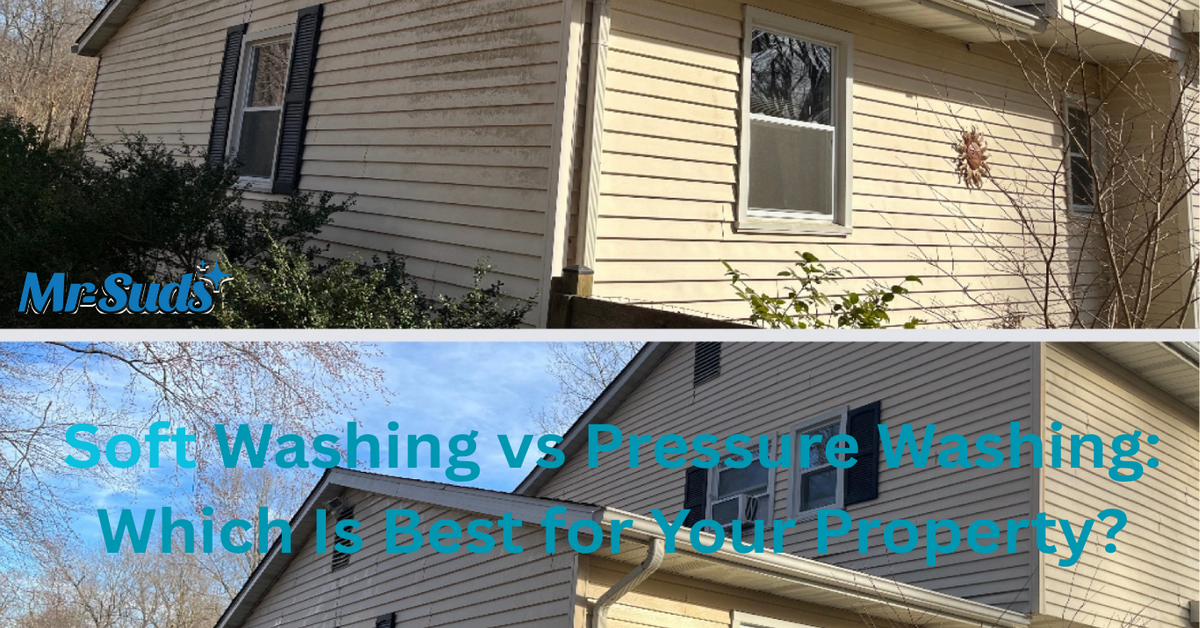
When it comes to exterior cleaning, many homeowners think pressure washing is the only option. In reality, there are two main professional cleaning methods used today Soft Washing vs Pressure Washing: . Both are effective, but they are designed for different surfaces and different types of buildup.
At MR SUDS, exterior cleaning is never a one-method solution. Choosing the right technique is essential for protecting your home while achieving long-lasting results. In this guide, we’ll break down the differences between soft washing and pressure washing, explain when each method should be used, and help you understand which is best for your property.
What Is Pressure Washing?
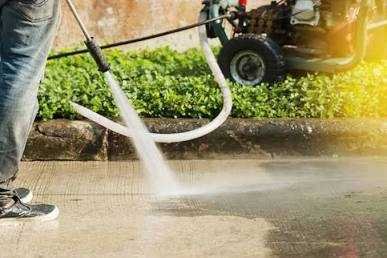
Pressure washing uses high-pressure water to remove dirt, grime, mud, algae, and stains from hard surfaces. The force of the water physically breaks contaminants away from the surface.
Common Uses for Pressure Washing
Pressure washing works best on durable surfaces, such as:
Concrete driveways
Sidewalks and walkways
Stone patios
Brick surfaces
Garage floors
These materials can handle higher pressure without being damaged.
At MR SUDS, pressure washing is performed with careful control to ensure surfaces are cleaned thoroughly without unnecessary wear.
What Is Soft Washing?
Soft washing uses low-pressure water combined with specialized cleaning solutions to break down organic growth like mold, mildew, algae, and bacteria. Instead of force, soft washing relies on chemistry and dwell time to clean surfaces safely.
Common Uses for Soft Washing
Soft washing is ideal for delicate or porous surfaces, including:
Roof shingles
Vinyl siding
Painted surfaces
Stucco
Wood siding
Fences
This method cleans deeply without the risk of surface damage.
MR SUDS uses soft washing to protect surfaces that could be harmed by high pressure while still delivering a powerful clean.
Key Differences Between Soft Washing and Pressure Washing
1. Water Pressure Levels
Pressure Washing: High pressure
Soft Washing: Low pressure, similar to a garden hose
2. Cleaning Method
Pressure Washing: Relies on force
Soft Washing: Relies on solutions that kill organic growth
3. Surface Safety
Pressure Washing: Best for hard surfaces
Soft Washing: Best for delicate materials
4. Longevity of Results
Pressure Washing: Removes visible dirt
Soft Washing: Treats and kills growth at the root, helping surfaces stay cleaner longer
Understanding these differences helps homeowners make better decisions about exterior maintenance.
Why Using the Wrong Method Can Cause Damage
One of the most common mistakes homeowners make is using pressure washing on surfaces that should be soft washed.
Potential Problems Include:
Stripped paint
Cracked siding
Water intrusion behind siding
Damaged roof shingles
Etched concrete
Professional exterior cleaners like MR SUDS are trained to evaluate each surface before choosing a cleaning method. This prevents costly damage and extends the life of your home’s exterior.
Which Method Is Best for Your Roof?
Roofs should never be cleaned with high-pressure washing. Asphalt shingles, tile, and other roofing materials are easily damaged by force.
Soft Washing Is the Correct Choice
Soft washing:
Removes algae, moss, and lichen
Preserves shingle integrity
Prevents granule loss
Extends roof lifespan
MR SUDS uses roof-safe soft washing techniques to clean roofs without compromising their protective layers.
Which Method Is Best for House Siding?
The correct method depends on the siding material.
Vinyl Siding
Soft washing is typically best
Prevents cracking and water intrusion
Removes mold and algae effectively
Brick or Stone
Pressure washing may be used carefully
Lower pressure protects mortar joints
Painted Surfaces
Soft washing protects paint and finish
Reduces peeling and fading
MR SUDS customizes the cleaning approach based on your home’s specific exterior materials.
Driveways, Walkways, and Hardscapes
For concrete and stone surfaces, pressure washing is usually the best option.
Benefits Include:
Deep stain removal
Improved traction
Enhanced appearance
Slower surface deterioration
Oil stains, tire marks, and embedded dirt are best removed with controlled pressure washing.
How Soft Washing Helps Surfaces Stay Cleaner Longer
One major advantage of soft washing is that it kills organic growth at the root. Pressure washing may remove visible stains, but it doesn’t always eliminate spores.
Soft washing:
Reduces regrowth
Keeps surfaces cleaner longer
Lowers long-term maintenance frequency
MR SUDS often recommends soft washing for homeowners who want long-lasting results with minimal surface stress.
Safety Considerations for Both Methods
Exterior cleaning involves risks if done improperly.
Common Safety Risks
Slippery surfaces
Equipment mishandling
Ladder use near wet surfaces
Electrical hazards
Professional cleaners use proper safety practices, protective equipment, and controlled techniques to reduce risk.
MR SUDS prioritizes both property safety and personal safety on every job.
Environmental Considerations
Modern professional exterior cleaning is more environmentally responsible than many people assume.
Benefits of Professional Methods
Efficient water usage
Controlled solution application
Reduced need for repeated cleaning
Prevention of harmful runoff
MR SUDS focuses on effective cleaning while minimizing environmental impact whenever possible.
How MR SUDS Chooses the Right Method
At MR SUDS, every property is evaluated individually. There is no automatic choice between soft washing and pressure washing.
The decision is based on:
Surface material
Type of buildup
Age of the surface
Surrounding environment
Safety considerations
This customized approach ensures effective cleaning without unnecessary risk.
Can You Use Both Methods on One Property?
Yes. In fact, many homes benefit from a combination of soft washing and pressure washing.
Example:
Soft washing for the roof and siding
Pressure washing for the driveway and patio
This balanced approach delivers the best results while protecting every surface.
How Often Should Each Method Be Used?
Soft washing: Often lasts longer due to growth removal
Pressure washing: May be needed annually for high-traffic areas
MR SUDS helps homeowners create a maintenance schedule based on their specific property needs.
Final Thoughts
Soft washing and pressure washing are both powerful exterior cleaning methods—but they are not interchangeable. Choosing the right method protects your home, improves appearance, and saves money over time.
Professional exterior cleaning services like MR SUDS understand how to match the right technique to the right surface. This ensures safe, effective, and long-lasting results for homeowners.
If your goal is a cleaner, better-protected property, understanding the difference between soft washing and pressure washing is the first step.